Vegetarian Pasta Primavera
Vegetarian Pasta Primavera
Vegetarian Pasta Primavera is a delightful dish that combines the vibrancy of seasonal vegetables with the comforting goodness of pasta. This recipe celebrates fresh produce and is an excellent option for vegetarians as well as anyone seeking a light yet satisfying meal. It’s a versatile dish that allows you to play with various ingredients based on what you have on hand or what’s in season, making it as flexible as it is delicious.
In this detailed guide, we will explore the reasons you will fall in love with this dish, go over the ingredients required, walk through the simple steps for making it, and provide helpful tips for storage and reheating. Let’s dive in and discover why Vegetarian Pasta Primavera deserves a spot in your regular meal rotation!
Why You’ll Love It
The beauty of Vegetarian Pasta Primavera lies in its simplicity as well as its ability to deliver an explosion of flavors with every bite. First and foremost, it’s incredibly versatile. You can tailor it to your tastes or dietary preferences by changing up the vegetables or even the type of pasta you use. This means that no two servings have to be the same, allowing you to enjoy a unique culinary experience with each plate.
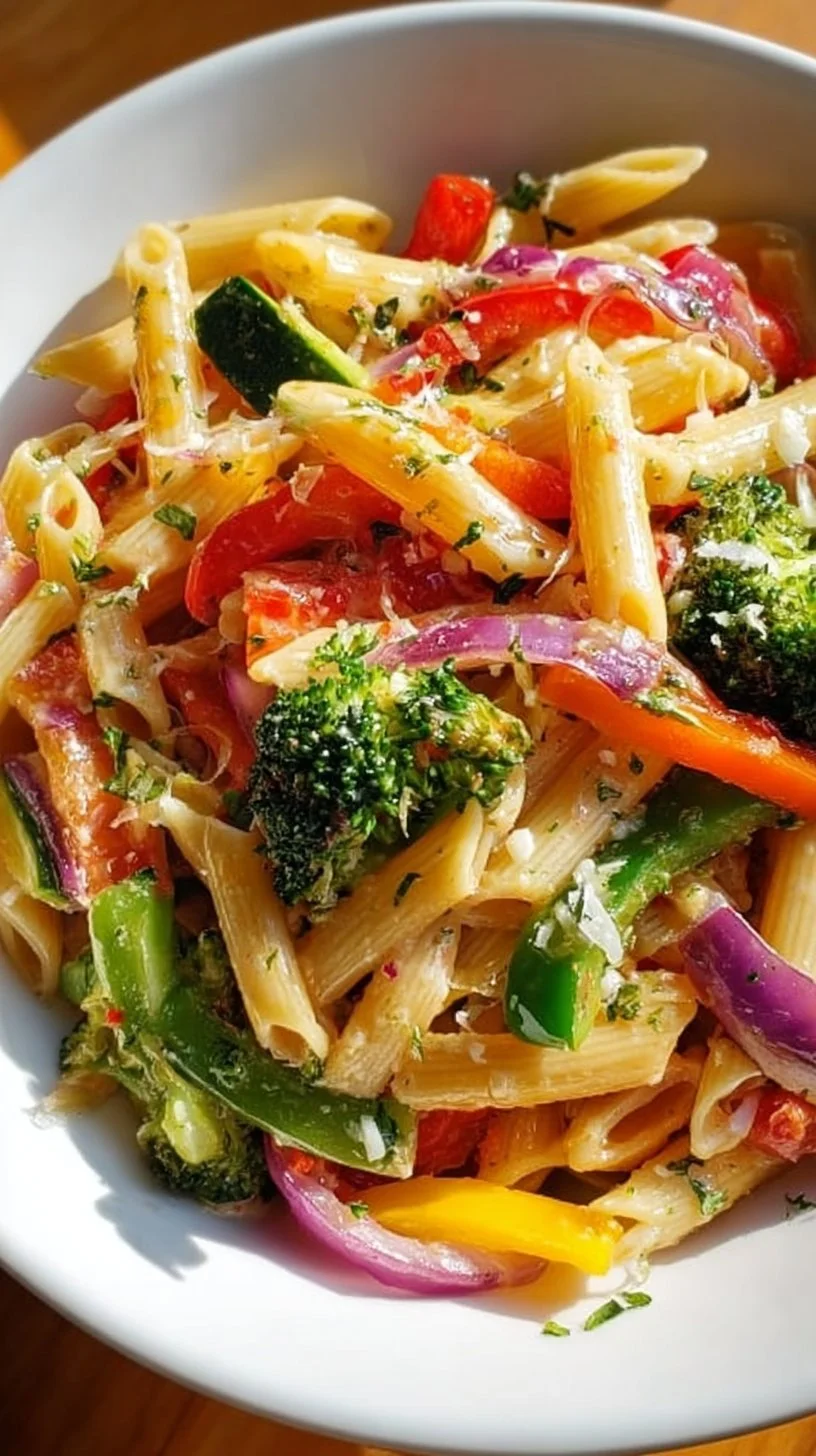
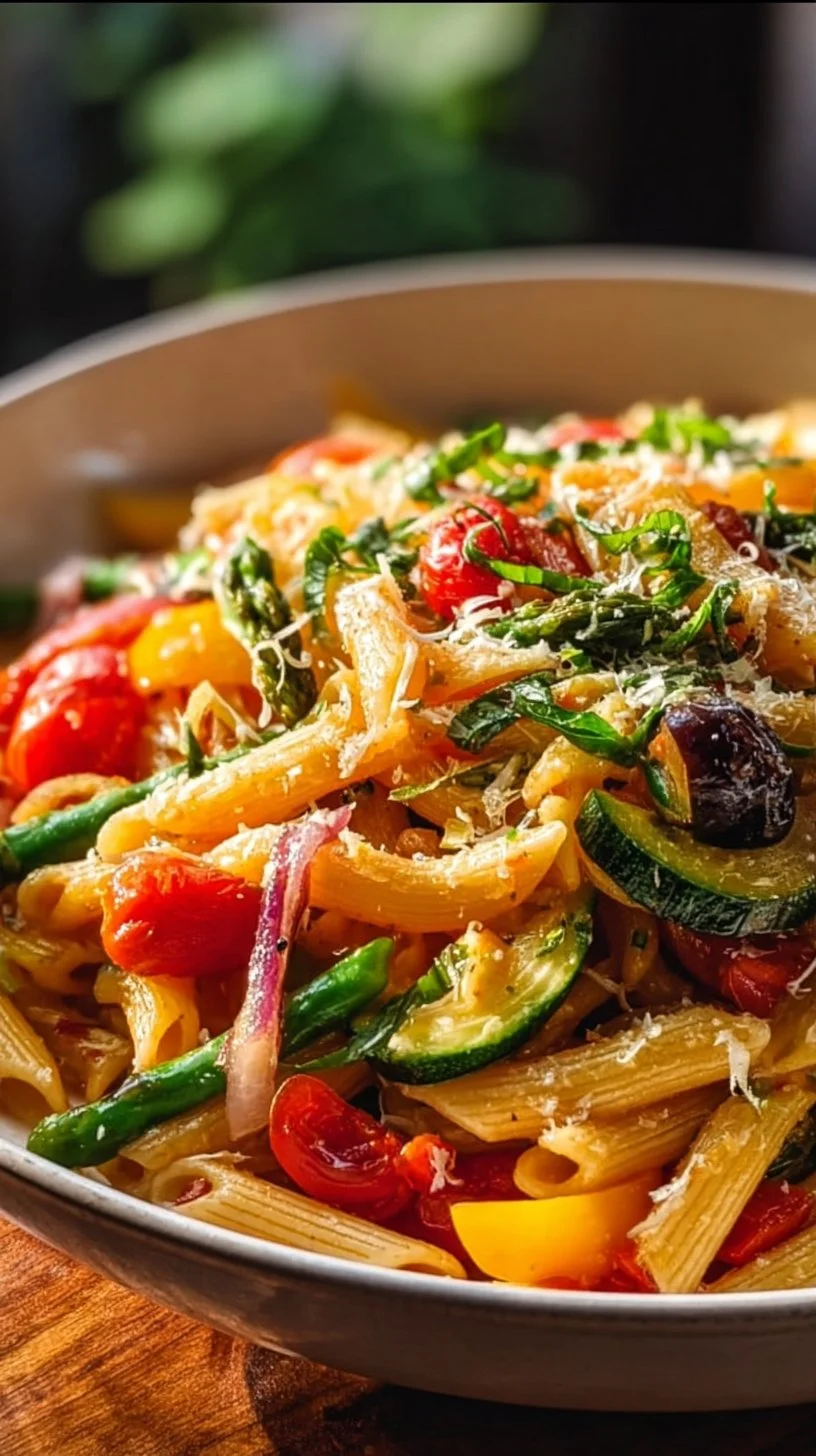
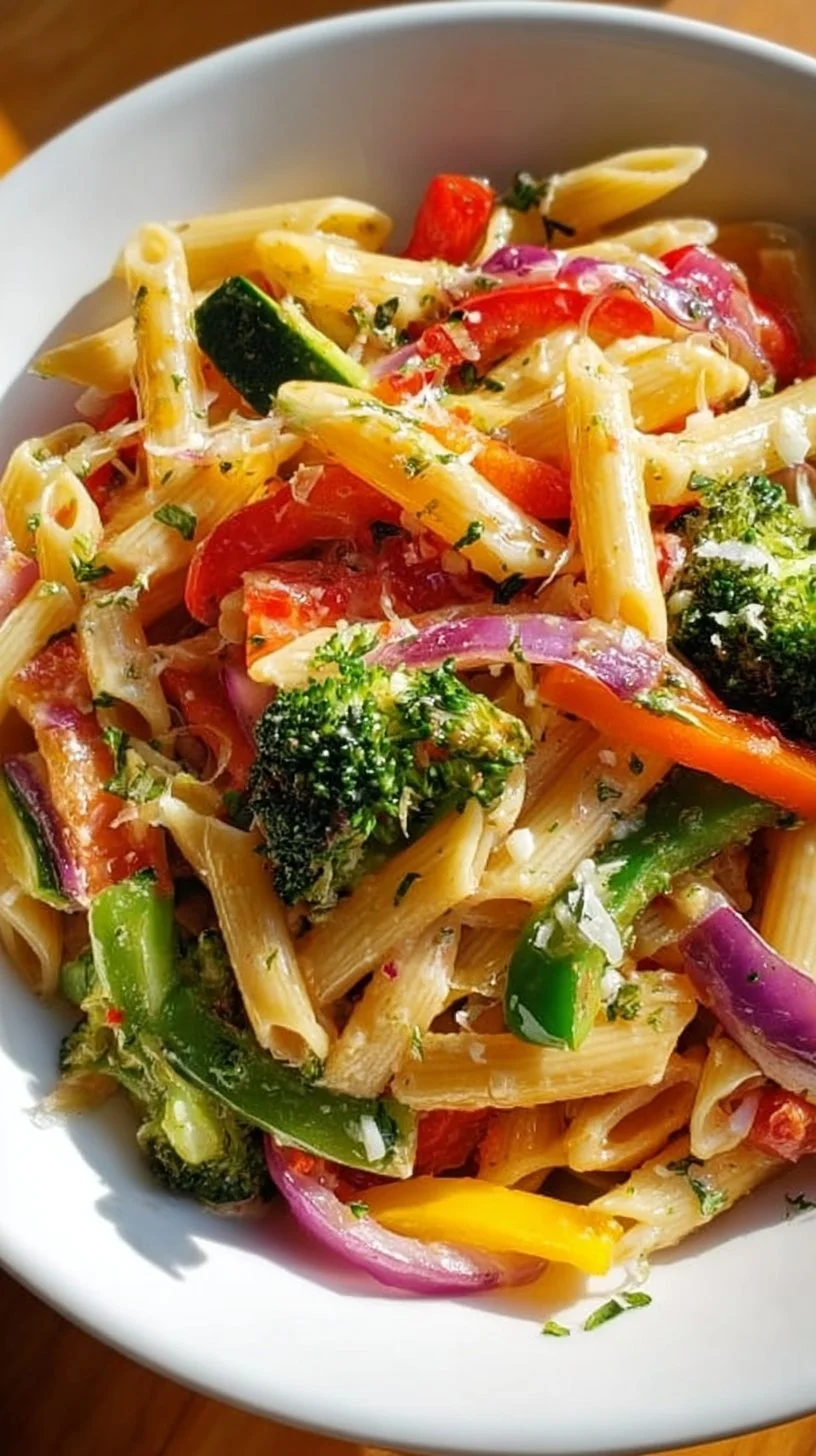
Moreover, this dish is visually stunning. Imagine the bright colors of bell peppers, zucchini, broccoli, and cherry tomatoes all coming together. Not only does it appeal to the eyes, but it also speaks to your health since it packs a punch of vitamins, minerals, and fiber. Each ingredient contributes nutritional benefits, and this dish can easily help you meet your daily vegetable intake.
Making Vegetarian Pasta Primavera is not just a meal to nourish your body; it’s also an emotional experience. Cooking can be a form of self-care, a way to unwind at the end of a long day. As you sauté the garlic, the comforting aromas wafting from the pan will fill your kitchen, creating an inviting atmosphere. Furthermore, sharing this dish with family and friends will bring everyone together, giving you moments of joy and connection.
On top of its emotional and nutritional benefits, Vegetarian Pasta Primavera is quite quick and easy to make. Perfect for a weeknight dinner or an unexpected guest, it generally takes about 30 minutes from prep to plate. With the right techniques, you can whip up a fabulous meal without spending hours in the kitchen.
Finally, the dish is not only delicious but affordable as well. With simple, fresh produce and pantry staples, you can create a gourmet meal without going over budget. Whether you are a seasoned cook or a beginner, you will find that this recipe empowers you to make something wonderful while feeling accomplished.
Ingredients
To prepare a delicious Vegetarian Pasta Primavera, you will need the following ingredients:
- 8 ounces of pasta (your choice, such as spaghetti, penne, or fettuccine)
- 2 tablespoons of extra virgin olive oil
- 3 cloves of garlic, minced
- 1 red bell pepper, diced
- 1 yellow bell pepper, diced
- 1 cup of zucchini, sliced
- 1 cup of broccoli florets
- 1 cup of cherry tomatoes, halved
- Salt and black pepper, to taste
- Fresh basil leaves for garnish
- Grated Parmesan cheese (optional)
In a delicious blend, you’ll find 8 ounces of pasta, which serves as the heart of this meal; you can choose from spaghetti, penne, or fettuccine based on your preference. To give the pasta depth and flavor, 2 tablespoons of extra virgin olive oil are essential. Your aromatics kick off with 3 cloves of garlic, minced finely to fill your kitchen with a tantalizing aroma. For the garden-fresh aspect, incorporate a rainbow of veggies: 1 red bell pepper and 1 yellow bell pepper, both diced, along with 1 cup of sliced zucchini and 1 cup of vibrant broccoli florets. For a burst of sweetness and color, toss in 1 cup of halved cherry tomatoes, adding a juicy element to each bite. Season your creation generously with salt and black pepper to taste. Lastly, you can opt for fresh basil leaves as a garnish and sprinkle some grated Parmesan cheese over the top for a creamy finish.
How to Make Vegetarian Pasta Primavera
Step 1
To begin, cook the pasta according to the package instructions. This is a crucial step because perfection in pasta texture is essential for a successful dish. You want the pasta to be al dente, meaning it should have a slight bite when you chew it. Once your pasta is cooked to perfection, drain it well and set it aside. It’s best to reserve a small amount of pasta water, about a quarter cup, to use later if necessary. The water can help create a silky sauce that binds everything together.
Step 2
While the pasta cooks, it’s time to prepare your colorful array of vegetables. Begin by heating 2 tablespoons of extra virgin olive oil in a large skillet over medium heat. When the oil glistens, add 3 cloves of minced garlic. Sauté the garlic for about 30 seconds, just until you can smell its wonderful aroma. It’s crucial not to burn the garlic, as it can turn bitter quickly. After the garlic becomes fragrant, toss in your diced red and yellow bell peppers, allowing them to soften slightly. Cook them for about 3 minutes, stirring occasionally, until they begin to become tender.
Step 3
Next, add in the sliced zucchini and broccoli florets, cooking for an additional 3–5 minutes. You want these vegetables to retain their color and some crunch. As the vegetables cook, they will release their natural juices, which will combine with the olive oil and garlic to form a light sauce. Finally, incorporate the halved cherry tomatoes into the mix, allowing them to warm through. As they cook, they will become juicy and slightly caramelized, contributing a delicious sweetness to the dish.
Step 4
Now that your vegetables are just the right texture, season them with salt and black pepper to taste. The seasoning will enhance the flavors and bring all the elements together beautifully. Gently toss the cooked pasta into the skillet with the sautéed vegetables, mixing everything together thoroughly. If the mixture seems too dry, add a splash of that reserved pasta water to achieve the desired consistency. Cook everything together for an additional minute so the flavors can meld. Once complete, remove the skillet from the heat and serve your Vegetarian Pasta Primavera warm, garnishing generously with fresh basil leaves and grating Parmesan cheese over the top if desired.
Directions
Start by cooking the pasta according to the package instructions; once done, drain it thoroughly and set it aside for later use. Meanwhile, in a large skillet, heat 2 tablespoons of extra virgin olive oil over medium heat. As the oil warms, add in 3 cloves of minced garlic and sauté until it becomes fragrant, usually around 30 seconds to a minute. Once the garlic is aromatic, toss in 1 diced red bell pepper and 1 diced yellow bell pepper, stirring them for about 3 minutes until they are just starting to soften. Following this, add in 1 cup of sliced zucchini and 1 cup of broccoli florets. Let the mixture cook for an additional 3–5 minutes, stirring occasionally to ensure even cooking. In the last minute of cooking, add 1 cup of halved cherry tomatoes, allowing them to warm slightly. Season the entire vegetable mixture with salt and pepper to taste. Once the veggies are tender yet crisp, toss the drained pasta into the skillet, mixing everything well to combine the flavors. If the mixture feels dry, add a splash of reserved pasta water to enrich the dish. The final step is to serve your Vegetarian Pasta Primavera warm, garnished with fresh basil and optional grated Parmesan cheese.
Helpful Notes
When preparing Vegetarian Pasta Primavera, consider these handy tips to enhance your cooking experience. First, feel free to swap out or add vegetables based on what you have at home or what is currently in season. Other fantastic options include asparagus, peas, or carrots, depending on your taste. You can also experiment with different herbs and spices to elevate the flavors. Fresh thyme, oregano, or even a sprinkle of red pepper flakes can all add a unique twist to your dish.
If you want a more substantial meal, consider adding a protein source. Some options include grilled tofu, chickpeas, or even the addition of a hearty bean mix. This will not only make the dish more filling but also increase its nutritional profile.
When plating, consider the vibrancy of the dish; staging it beautifully can increase your enjoyment of the meal itself. Serve the dish in wide bowls to allow the colors to shine and don’t hesitate to be generous with your garnishes.
Storage & Reheating Tips
If you have leftovers, saving them for future meals is easy. First, let the Vegetarian Pasta Primavera cool down before placing it in an airtight container. Stored in the refrigerator, it can last up to 3 days. When reheating, the best method is to use a skillet. Heat it over low-medium heat, adding a splash of olive oil or a bit of water to ensure that the pasta does not stick together and loses its moisture. Stir frequently, bringing it to a warm temperature without overcooking the vegetables.
Alternatively, if you’re in a rush, you can microwave your leftovers. Place the dish in a microwave-safe container, cover it with a lid or a microwave-safe wrap, and heat it in 30-second intervals, stirring between each session until warmed through. While the taste may vary slightly, this dish maintains its quality beautifully when reheated with care.
FAQs
What type of pasta works best with Vegetarian Pasta Primavera?
While any pasta can work, shapes that hold sauce like penne or farfalle are particularly good choices. Spaghetti or fettuccine can also work well, so select what you prefer!
Can I make this dish gluten-free?
Absolutely! Simply swap regular pasta with gluten-free pasta made from rice, quinoa, or other gluten-free grains.
Can I use frozen vegetables instead of fresh ones?
Yes! Frozen vegetables can be a convenient option and work well in this dish. Just be sure to thaw and drain them before adding them to avoid excess moisture in the pan.
How can I store leftover vegetarian pasta primavera?
Cool the dish completely and transfer it to an airtight container. Store it in the refrigerator for up to 3 days for the best quality.
Is it possible to add proteins like chicken or shrimp to this dish?
Yes, you can absolutely add proteins. Grilled chicken, shrimp, or even chickpeas can complement the dish beautifully.
Can I add cheese to this pasta dish?
Definitely! Parmesan cheese is a classic option, but feel free to experiment with other cheeses such as ricotta or feta for different flavor profiles.
What’s the best way to reheat Vegetarian Pasta Primavera?
Reheat it in a skillet over low-medium heat with a bit of olive oil or water to prevent sticking. Alternatively, you can microwave it in short bursts.
Conclusion
In conclusion, Vegetarian Pasta Primavera is an incredible dish that showcases the beauty and vibrancy of fresh vegetables while providing a satisfying and nutritious meal. As we explored throughout this article, this dish is not just about nourishing your body; it’s about enjoying the process of cooking and sharing wonderful moments with loved ones. Whether it’s a weeknight dinner or a special occasion, this dish is sure to impress. Now that you have all the details, I encourage you to try making Vegetarian Pasta Primavera for yourself. You won’t be disappointed! 🍝
Vegetarian Pasta Primavera
Ingredients
Method
- Cook the pasta according to the package instructions until al dente, then drain and set aside. Reserve about a quarter cup of pasta water.
- In a large skillet, heat 2 tablespoons of olive oil over medium heat. Add the minced garlic and sauté for 30 seconds until fragrant.
- Add the diced red and yellow bell peppers and cook for about 3 minutes until they begin to soften.
- Incorporate the sliced zucchini and broccoli florets, cooking for an additional 3–5 minutes.
- Finally, add the halved cherry tomatoes, allowing them to warm through and become slightly caramelized.
- Season the vegetables with salt and black pepper to taste. Toss the cooked pasta into the skillet with the vegetables and mix thoroughly.
- If the mixture seems dry, add a splash of the reserved pasta water to help create a sauce. Cook together for one additional minute.
- Serve warm, garnished with fresh basil and grated Parmesan cheese if desired.