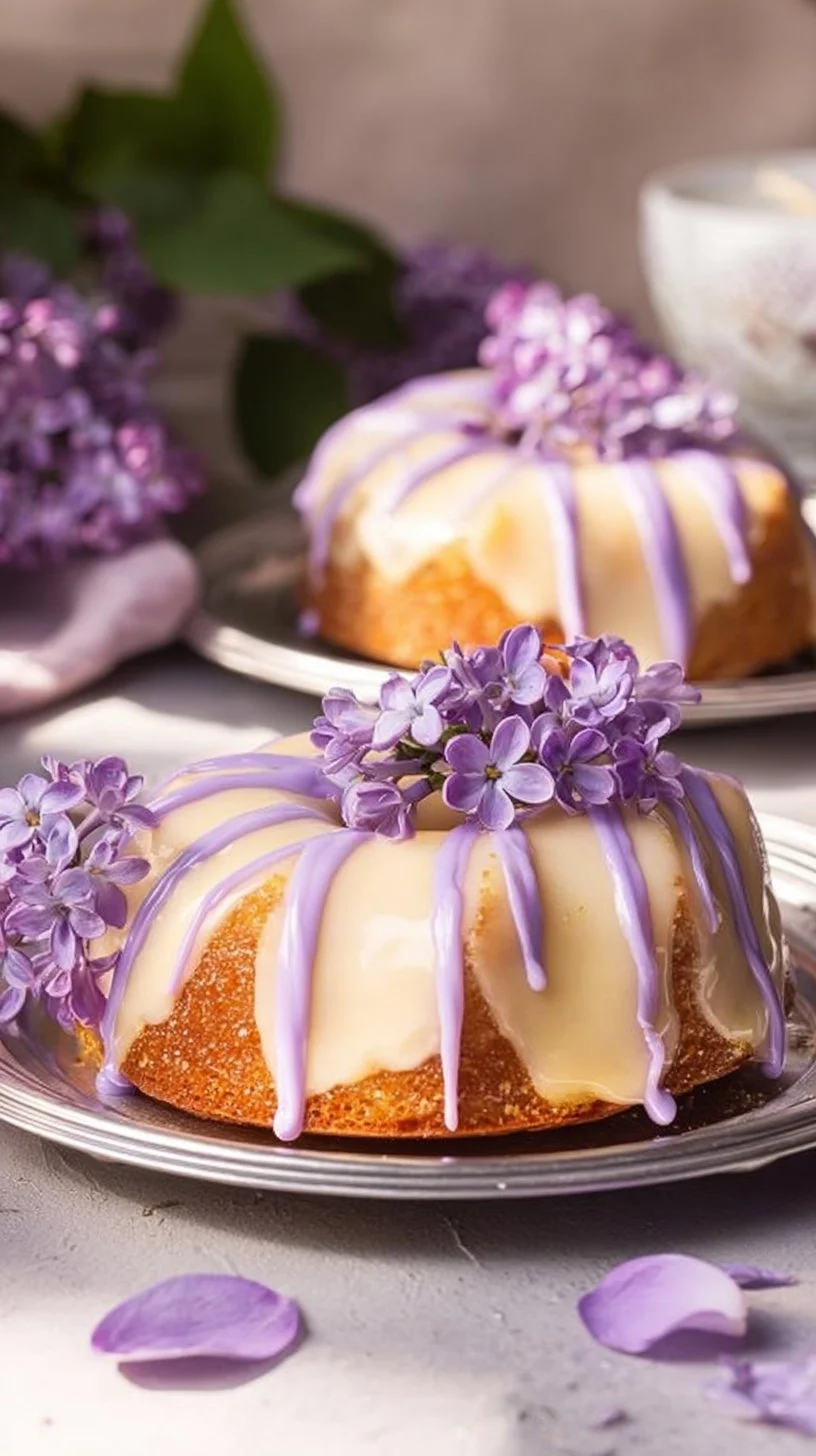
Lilac Bundt Cakes
Lilac Bundt Cakes
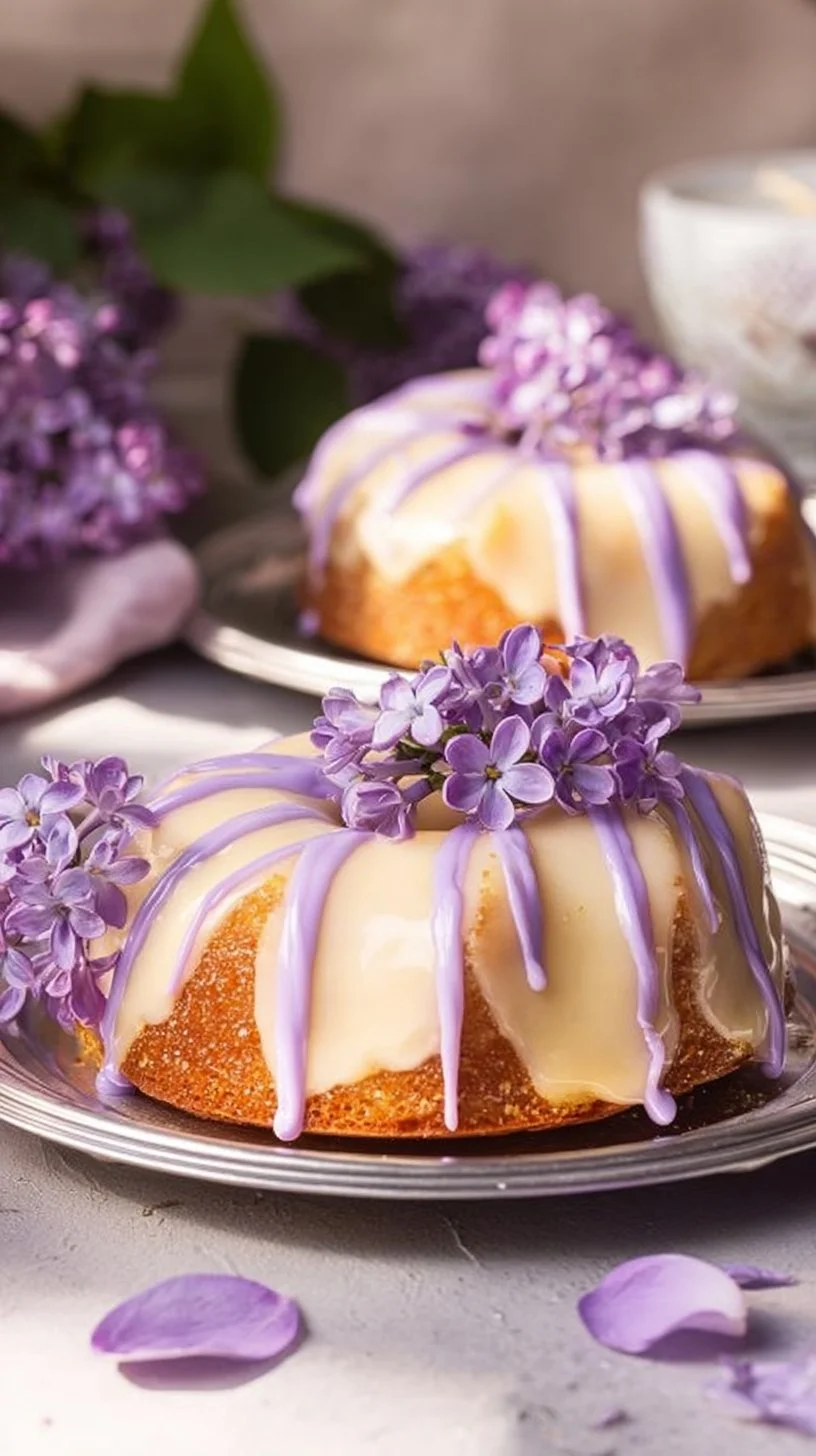
Lilac Bundt Cakes are a delightful and fragrant dessert that adds a unique twist to traditional cake recipes. These cakes not only impress with their stunning visuals but also offer a taste that embodies the essence of spring. This article will dive deep into the enchanting world of lilac bundt cakes, exploring why you’ll love them, providing you with a comprehensive list of ingredients, detailed steps for making them, and more.
Why You’ll Love It
There’s something truly magical about lilac bundt cakes that captivates the heart and palate. First and foremost, the incorporation of lilac blossoms brings a delicate floral flavor that is both refreshing and unique. This ingredient isn’t just a garnish; it’s the star of the show, elevating the cake from a simple dessert to an extraordinary experience. Each bite delivers a subtle sweetness intertwined with the nostalgia of springtime, making these cakes perfect for celebrations or intimate gatherings alike.
The aesthetics of lilac bundt cakes also contribute to their allure. The soft purple hues from the lilacs can create visually stunning confections that stand out on any dessert table. Imagine serving these cakes at a bridal shower or garden party, where their beauty would surely steal the spotlight.
On an emotional level, crafting and sharing these cakes can invoke memories of wonderful moments spent in your garden or of the joy of discovering lilacs blooming in the spring. It’s a recipe that connects you with nature, offering not just a culinary delight but an experience steeped in warmth and joy. The process of picking lilac blossoms, preparing the cake, and indulging with loved ones becomes a cherished memory in itself. Whether it’s for a special occasion or simply a sweet treat at home, lilac bundt cakes promise to bring happiness to your table.
Ingredients
- 1 cup lilac blossoms
- 1 cup granulated sugar
- 2 cups all-purpose flour
- 1 teaspoon baking powder
- 1 teaspoon baking soda
- 1/2 teaspoon salt
- 1 cup milk
- 1 tablespoon lemon juice
- 1/2 cup unsalted butter (softened)
- 3 large eggs
- 1 cup powdered sugar (for glaze)
- 2 tablespoons lilac syrup (for glaze)
- 1-2 tablespoons milk (for glaze)
- Violet food coloring (optional)
The ingredients for lilac bundt cakes include a beautiful medley of flavors and textures. Begin with a generous cup of lilac blossoms, ensuring that you pick only the flowers and discard the stems and leaves to avoid any bitterness. Combine this with a full cup of granulated sugar to create a delightful lilac-infused sweetness. You will need two cups of all-purpose flour for a sturdy base, along with a teaspoon each of baking powder and baking soda for that perfect rise. A half teaspoon of salt balances the sweetness beautifully.
Your moist cake will come from one cup of milk combined with a tablespoon of fresh lemon juice, giving it a subtle tang. Softened unsalted butter, at half a cup, adds richness, while three large eggs will help to bind everything together. For the glaze, prepare a cup of powdered sugar, two tablespoons of the lilac syrup you create during the baking process, and one or two tablespoons of milk to achieve a pourable consistency. If you wish to entertain your artistic side, violet food coloring can enhance the visual appeal of your glaze.
How to Make Lilac Bundt Cakes
Step 1
Start by preheating your oven to 350°F. As you wait for it to heat up, it’s time to prepare your lilac blossoms. Take care to pick only the petals from the stems, discarding any unwanted bits to ensure that your cake doesn’t have a bitter aftertaste. Next, combine the sugar and lilac blossoms in a food processor; pulse until the petals are mostly broken down. Be careful not to over-blend – you want to retain some texture. Set this mixture aside while you prep the dry ingredients.
Step 2
In a small mixing bowl, whisk together your flour, baking powder, baking soda, and salt until well combined. In a separate small measuring cup, mix the milk with the lemon juice, stirring to create a soured version that will add moistness to your bundt cakes. Now, pivot to the bowl of your stand mixer. Here, add the softened butter along with the lilac sugar mixture. Beat these together using a paddle attachment until the mixture becomes creamy and fully incorporated.
Step 3
Now it’s time to incorporate the eggs into the mixture. Add them one by one, ensuring each egg is fully blended before introducing the next. Don’t forget to scrape down the sides of the bowl to make sure everything is mixed up nicely. After all the eggs are incorporated, begin adding in your flour mixture. Add it in thirds, beating on low speed to combine until mostly incorporated. Then, introduce half of your soured milk. Repeat this process of alternating flour mixture and milk until everything is combined and you have a smooth batter.
Step 4
Generously spray a mini bundt cake mold with non-stick or baker’s spray. Carefully distribute your cake batter into the mold, ensuring all the crevasses are filled and the batter is evenly spread. Give the pan a few taps on the countertop to release any air pockets that may be trapped. Place the filled bundt pan in your preheated oven, baking the cakes for 20 to 25 minutes. You can check for doneness by inserting a toothpick into the center of one cake; it should come out clean. After they’re baked, transfer the cakes to a wire rack to cool.
Directions
To make the lilac syrup while your cakes are baking, combine equal parts sugar and water in a small saucepan, placing it over medium-high heat. Stir until the sugar completely dissolves, then bring the mixture to a gentle simmer. Once it reaches this stage, add in your lilac blossoms, remove from the heat, and cover. Let the blossoms steep until your cakes finish baking. Be sure to strain the mixture afterwards, discarding the blossoms. Reserve about two tablespoons of this syrup for the glaze.
For the glaze, whisk together the powdered sugar, the reserved lilac syrup, and a splash of milk until smooth. If desired, add a touch of violet food coloring to enhance the appearance of your glaze, adjusting the consistency by adding more milk or powdered sugar until ideal for drizzling.
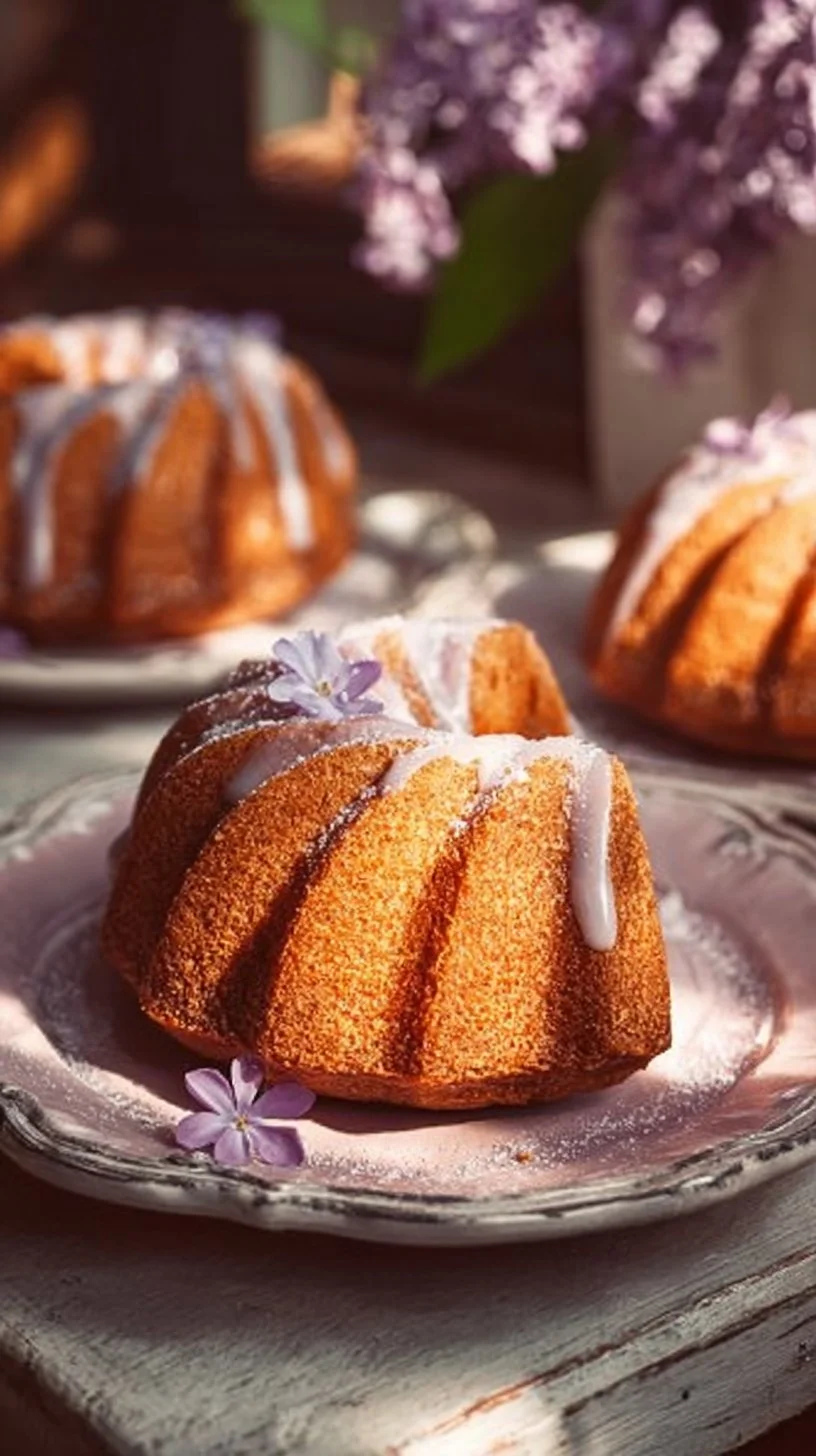
Once your mini bundt cakes have cooled for about five minutes, it’s time to turn them out of the pan onto parchment paper. Brush the tops of the cakes generously with the lilac syrup, allowing them to cool completely. After they’ve cooled, drizzle the glaze over the tops and let it set before serving. Enjoy these beautiful lilac bundt cakes either warm or chilled!
Helpful Notes
When creating lilac bundt cakes, choosing the right lilacs is crucial. Make sure to use organic blossoms that have not been treated with pesticides. Ornamental lilacs look beautiful but may not have the best flavor profile for baking. Always scent-check the blossoms before using them; they should smell sweet and floral, not earthy or musty.
Additionally, if you’re not comfortable picking your own lilacs, many florists or farmers markets offer fresh, pesticide-free flowers during the bloom season. Don’t hesitate to source quality ingredients to make your cake stand out.
Keep an eye on your cakes while they bake, as oven times can vary. If they happen to puff up too much, you may want to give them a gentle tap while they’re still in the oven for an even bake. And, while the glaze offers a delightful finish, you can experiment with various toppings, such as citrus zest or edible flowers, for beautiful presentation.
Storage & Reheating Tips
Lilac bundt cakes are best enjoyed fresh, but if you have leftovers, store them in an airtight container at room temperature for up to three days. Avoid refrigerating them, as this can dry out the cakes. If you prefer to keep them longer, wrap them tightly in plastic wrap and place them in the freezer. They can stay in the freezer for up to three months.
When you’re ready to enjoy your cakes again, allow them to thaw at room temperature. You can also reheat them gently in a microwave for about 10 seconds if you prefer a warm treat. Just be sure to watch closely. If your cakes were glazed and you want to reheat them, do so without the glaze and then reapply after warming.
FAQs
What is the best way to pick lilacs for cooking?
When picking lilacs, choose those that are fully bloomed and fragrant. Use scissors or garden snips to avoid tearing the petals. Always discard leaves and stems.
Can I use other floral flavors in this cake?
Yes, you can experiment with other edible flowers like lavender or rose. Just keep in mind that the flavor profiles will change, so adjust sugar levels accordingly.
Is it necessary to use lemon juice with the milk?
Yes, lemon juice is crucial as it sours the milk, enhancing the cake’s moisture. If you don’t have lemon juice, you can substitute white vinegar.
Can I make this recipe gluten-free?
Absolutely! Substitute all-purpose flour with a 1:1 gluten-free flour blend. The texture will vary slightly, but it should still work well.
Can I use store-bought lilac syrup for the glaze?
Store-bought lilac syrup can certainly work, though homemade syrup provides fresh flavor and is a fun touch.
How do I know if my lilac bundt cakes are done baking?
Insert a toothpick into the center of the cakes. If it comes out clean or with a few crumbs, they are done. If it comes out wet, give them additional time in the oven.
What is the best way to decorate the lilac bundt cakes?
To decorate, consider dusting with powdered sugar, drizzling with glaze, or topping with edible flowers for added aesthetics.
Conclusion + CTA
In conclusion, making lilac bundt cakes is not just about baking; it’s about embracing the essence of spring and enjoying the bounties of nature. These delightful cakes offer a unique flavor profile and a beautiful display, making them a perfect treat for any occasion. Don’t miss out on trying this recipe—it might become your new favorite!
So gather your lilac blossoms, preheat your oven, and get ready to delight your taste buds with these enchanting lilac bundt cakes. Happy baking!
Lilac Bundt Cakes
Ingredients
Method
- Preheat your oven to 350°F (175°C). Prepare lilac blossoms by discarding stems and leaves.
- Combine lilac blossoms and granulated sugar in a food processor and pulse until the petals are mostly broken down.
- In a separate bowl, whisk together flour, baking powder, baking soda, and salt.
- Mix milk with lemon juice in a measuring cup and set aside.
- In a stand mixer, beat softened butter and lilac sugar mixture until creamy.
- Add eggs one at a time, mixing well after each addition.
- Alternately add the dry flour mixture and the soured milk to the butter mixture, mixing until smooth.
- Grease mini bundt cake molds and fill them with the batter.
- Bake in the preheated oven for 20 to 25 minutes, checking for doneness with a toothpick.
- To make lilac syrup, combine equal parts sugar and water in a saucepan, simmer, then add lilac blossoms and steep.
- Remove from heat, strain out blossoms, and reserve syrup for glazing.
- Whisk together powdered sugar, reserved lilac syrup, and milk to make the glaze.
- After baking, let cakes cool for about 5 minutes, then transfer to parchment paper.
- Brush tops with lilac syrup and drizzle with glaze before serving.