Lemon Butter Cake
Lemon Butter Cake
Lemon Butter Cake is a delightful dessert that brightens any occasion with its zesty flavor and buttery texture. This cake perfectly marries sweet and tangy elements, offering a deliciously refreshing treat that leaves your taste buds celebrating. If you’re a fan of citrusy desserts or just looking for a cake recipe that stands out, you’ve landed in the right spot.
In this article, we’ll delve into everything you need to know about making a scrumptious Lemon Butter Cake, from its emotional appeal to the detailed ingredients and step-by-step instructions. You’ll discover why this cake will become a cherished recipe in your collection and how you can customize it to suit your tastes. So, roll up your sleeves, and let’s get baking!
Why You’ll Love It
Lemon Butter Cake is not just any cake; it’s a slice of sunshine on a plate. The moment you take a bite, you’re transported to warmer days, feeling a gentle breeze and the warmth of the sun on your skin. The zesty lemon flavor brings with it a sense of joy and celebration. The cake’s buttery richness adds depth, making it indulgent yet addictive.
One of the most beautiful things about Lemon Butter Cake is its versatility. Whether you serve it at a birthday party, a holiday gathering, or just a cozy afternoon tea, it instantly elevates the occasion. It’s a cake that brings people together, generating happy conversations and laughter. Moreover, the vibrant yellow color of the cake evokes warmth and cheer, embodying the carefree spirit of summer.
You’ll also appreciate how easy it is to prepare. This cake doesn’t require any complicated techniques, making it suitable for both novice bakers and seasoned pros. As you whip together the ingredients, you’ll feel a sense of accomplishment that is hard to match. Whether you choose to serve it plain or dress it up with frosting and decorations, it’s guaranteed to impress.
Let’s explore the delightful components of the cake to better appreciate what goes into making this mouthwatering dessert.
Ingredients
- 1 cup unsalted butter, softened
- 2 cups granulated sugar
- 4 large eggs
- Zest of 2 lemons
- 3 cups all-purpose flour
- 1 teaspoon baking powder
- 1/2 teaspoon baking soda
- 1/2 teaspoon salt
- 1 cup buttermilk
- 1 tablespoon vanilla extract
Creating the perfect Lemon Butter Cake begins with some essential ingredients that work harmoniously to produce a moist and flavorful cake. First, you need one cup of unsalted butter that should be softened to room temperature, allowing for easy incorporation into the batter. Next, gather two cups of granulated sugar, which will provide sweetness, balancing the tang of the lemons. You’ll also require four large eggs, which act as the binding agents, contributing to the cake’s structure and richness.
Zesting two lemons is crucial, as this ingredient infuses the cake with that vibrant lemony flavor we all adore. In addition to these main elements, ensure you have three cups of all-purpose flour to provide the cake with its body. You’ll also need one teaspoon of baking powder and half a teaspoon of baking soda, both of which help the cake rise. Don’t forget half a teaspoon of salt, as it enhances the flavors beautifully. For moisture, one cup of buttermilk is required, which also adds a slight tanginess. Finally, one tablespoon of vanilla extract rounds out the flavor profile, ensuring a deeper sweetness.
| Ingredient | Amount |
|——————-|————————–|
| Unsalted butter | 1 cup, softened |
| Granulated sugar | 2 cups |
| Large eggs | 4 |
| Lemon zest | From 2 lemons |
| All-purpose flour | 3 cups |
| Baking powder | 1 teaspoon |
| Baking soda | 1/2 teaspoon |
| Salt | 1/2 teaspoon |
| Buttermilk | 1 cup |
| Vanilla extract | 1 tablespoon |
Now that we have everything we need, let’s dive into the steps to create this delectable Lemon Butter Cake.
How to Make Lemon Butter Cake
Step 1
To start your journey of creating a Lemon Butter Cake, preheat your oven to 350°F (175°C). It’s crucial to get this step right, as the perfect temperature is essential for the cake to bake evenly and rise beautifully. While your oven is warming up, take two nine-inch round cake pans, grease them generously with butter, and lightly dust them with flour. This will ensure that your cake does not stick, making it easier to remove once it’s baked.
Step 2
Once your pans are prepared and your oven is hot, grab a large mixing bowl and begin the batter-making process. Start by creaming together the softened butter and granulated sugar until the mixture is light and fluffy. This step typically takes about 3-5 minutes. It’s important to make sure that there are no lumps and that the sugar is fully incorporated, as this contributes to a well-aerated batter. Next, add the eggs one at a time, taking care to beat well after each addition. This method allows the eggs to blend smoothly into the mixture, providing a rich texture. Stir in the delightful lemon zest, infusing your batter with that zesty kick.
Step 3
Now, it’s time to prepare the dry ingredients. In another bowl, mix together the all-purpose flour, baking powder, baking soda, and salt. Whisk these ingredients to combine thoroughly. After the dry ingredients are ready, you’ll gradually add them to the wet ingredients, alternating with the buttermilk. Start by adding a third of the dry mixture to the butter and sugar blend, followed by half of the buttermilk, then another third of the dry mixture, the second half of the buttermilk, and finish with the remaining dry ingredients. This technique helps to create a smooth and cohesive batter without overmixing.
Step 4
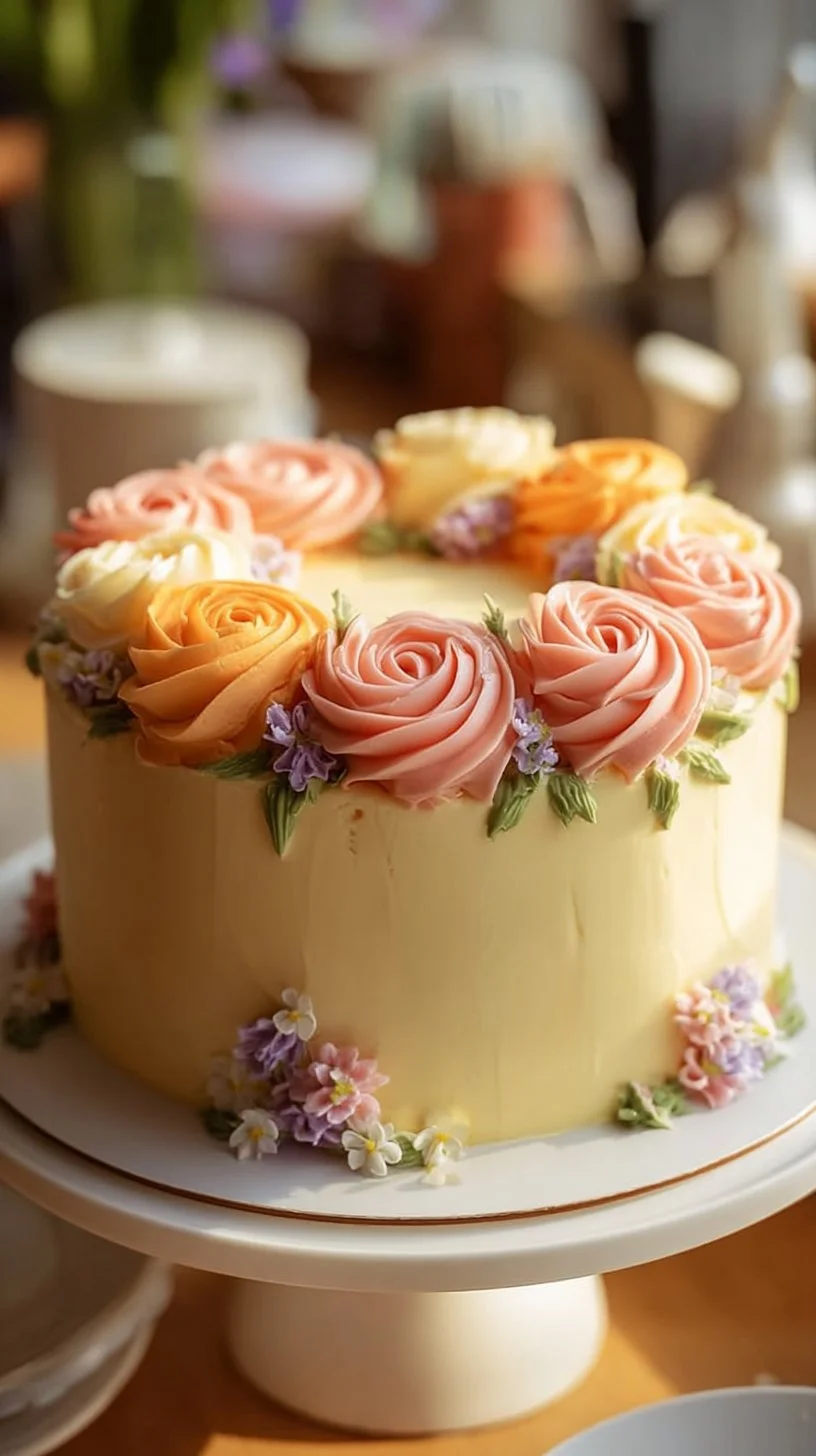
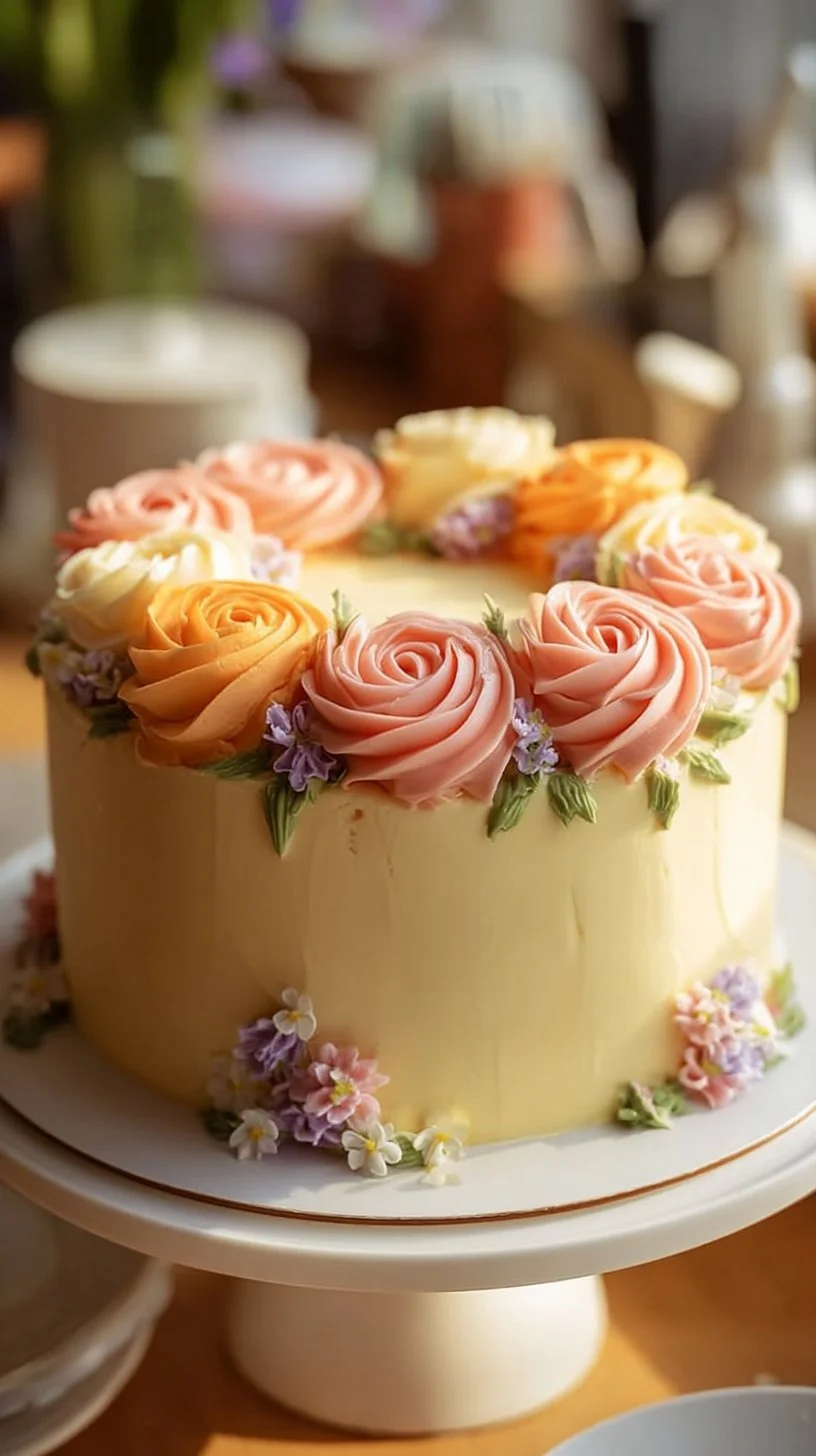
After you have mixed the batter well and everything looks even, take a moment to inhale the irresistible aroma of lemony goodness. Now, divide the batter evenly between your two prepared cake pans. Spread it out so that it’s level. Carefully place the pans in the preheated oven and bake for approximately 25-30 minutes. You’ll know when they are ready when a toothpick inserted into the center comes out clean. Allow the cakes to cool in the pans for about 10 minutes, then carefully turn them out onto wire racks to cool completely. Once cooled, it’s time for the fun part: frosting! Use your favorite buttercream and feel free to decorate it with handcrafted flowers, buttercream blooms, or any other creative touches you desire.
Directions
Firstly, preheat your oven to 350°F (175°C). Begin by greasing and flouring two 9-inch round cake pans to ensure easy removal after baking. In a large bowl, cream together the softened unsalted butter and granulated sugar until the mixture is light and fluffy; this process usually takes about 3–5 minutes. Next, add the four large eggs one at a time, ensuring that you beat well after each addition to create an airy batter. Stir in the zest from two lemons to add that refreshing citrus flavor.
In a separate bowl, combine three cups of all-purpose flour with one teaspoon of baking powder, half a teaspoon of baking soda, and half a teaspoon of salt to create your dry mix. Gradually should add this dry mixture to your wet ingredients, alternating with one cup of buttermilk, starting and ending with the dry ingredients. Stir in one tablespoon of vanilla extract to deepen the flavor. When your batter is well combined, pour it evenly into the prepared cake pans. Bake for 25-30 minutes, or until a toothpick inserted into the center comes out clean, indicating that the cakes are baked through. After baking, allow the cakes to cool in the pans for 10 minutes. Turn the cakes out onto wire racks to allow them to cool completely. Once they have cooled, frost your cake with buttercream and add lovely decorations like handcrafted flowers and buttercream blooms to elevate your dessert.
Helpful Notes
When baking a Lemon Butter Cake, it’s crucial to measure your ingredients accurately for the best results. Use the spoon-and-level method for flour rather than scooping directly from the bag for more precision. Room temperature ingredients blend more smoothly and create a better texture, so allow the butter and eggs to sit out before starting.
If you want a more intense lemon flavor, consider using freshly squeezed lemon juice in addition to the zest. However, be cautious not to add too much liquid, as it may alter the cake’s structure. You can also experiment with add-ins like poppy seeds for an added crunch or fresh blueberries for a twist on flavor.
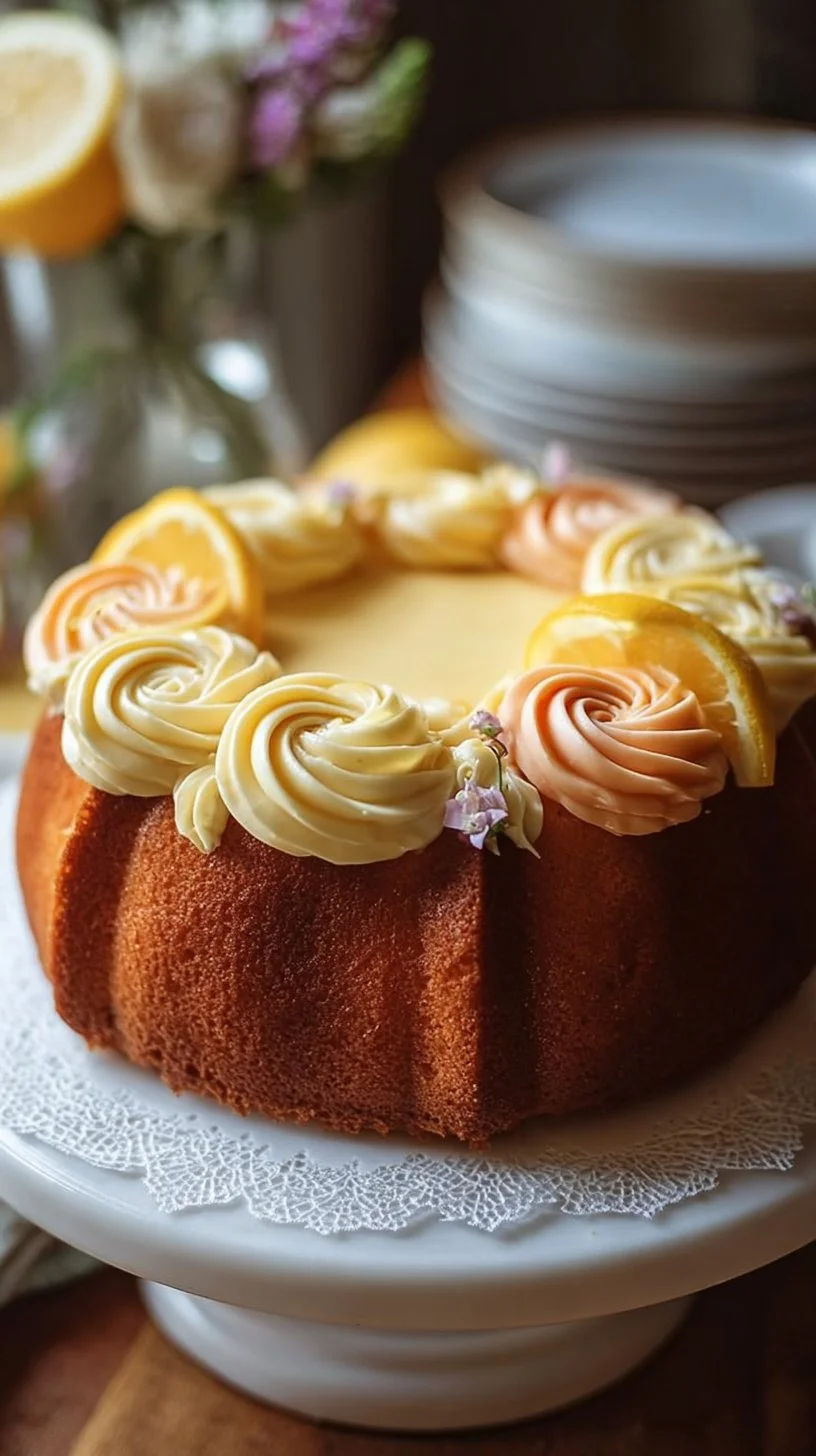
Always check the cakes for doneness a couple of minutes before the suggested baking time to avoid overbaking. If you find your cakes browning too quickly, you can cover them loosely with foil. Once cooled completely, you may choose to enhance the presentation by giving the cake a light dusting of powdered sugar or a drizzle of lemon glaze.
Storage & Reheating Tips
Storing your Lemon Butter Cake correctly is essential to maintain its freshness and flavor. After it has cooled and you have finished decorating, store any leftovers in an airtight container at room temperature for up to 3 days. If you live in a particularly humid area, it’s best to refrigerate the cake, where it can last up to a week. Always bring the cake to room temperature before serving, as the flavors shine through better when the cake is slightly warm.
If you need to keep the cake longer, consider freezing it. To do so, wrap each layer individually in plastic wrap and then in aluminum foil. This helps prevent freezer burn. When you’re ready to enjoy it again, simply thaw it at room temperature. For reheating, you can place a slice in the microwave for about 10-15 seconds, or warm it in the oven at 300°F (150°C) for a few minutes until it’s warmed through.
Keeping these tips in mind will ensure that your Lemon Butter Cake remains a delicious treat for days to come.
FAQs
Why is my Lemon Butter Cake dense?
If your cake comes out dense, it’s likely due to overmixing the batter. To achieve the right texture, mix just until the ingredients are combined. Additionally, make sure to accurately measure your flour; too much can lead to a heavy cake.
Can I use cake flour instead of all-purpose flour?
Yes, you can use cake flour! It will yield a lighter cake. Just replace the all-purpose flour with an equal amount of cake flour for a tender crumb.
How can I enhance the lemon flavor?
In addition to lemon zest, you can incorporate fresh lemon juice into the batter and a lemon glaze on top once cooled. This will intensify the zesty flavor you crave!
What frosting pairs best with Lemon Butter Cake?
A classic buttercream frosting works beautifully, but you can also opt for a cream cheese frosting for a tangy twist. A lemon glaze drizzled over the top also complements the cake wonderfully.
Can I make this cake ahead of time?
Absolutely! You can bake the cake layers ahead and store them in the refrigerator or freezer until you’re ready to frost and serve. This can be a great time-saver for special occasions.
Is it necessary to use buttermilk?
While buttermilk adds a tangy flavor and moisture, you can substitute it with regular milk mixed with a teaspoon of vinegar or lemon juice. Let it sit for a few minutes before adding it to the batter for a similar effect.
Can I add fruits to the batter?
Yes! Feel free to mix in fresh berries such as blueberries or raspberries for a fruity burst of flavor. Just be cautious, as adding too much moisture can affect the structure of the cake.
Conclusion + CTA
In conclusion, Lemon Butter Cake is a delightful dessert that offers a perfect balance of sweetness and tanginess. This recipe is not only easy to follow but also invites a warmth and joy that can brighten anyone’s day. The next time you’re in need of a treat that brings smiles and happiness, remember this delicious Lemon Butter Cake.
So, grab your ingredients, get into the kitchen, and start baking! Your friends and family will surely appreciate the effort, and there’s nothing better than sharing a slice of homemade cake. Happy baking!
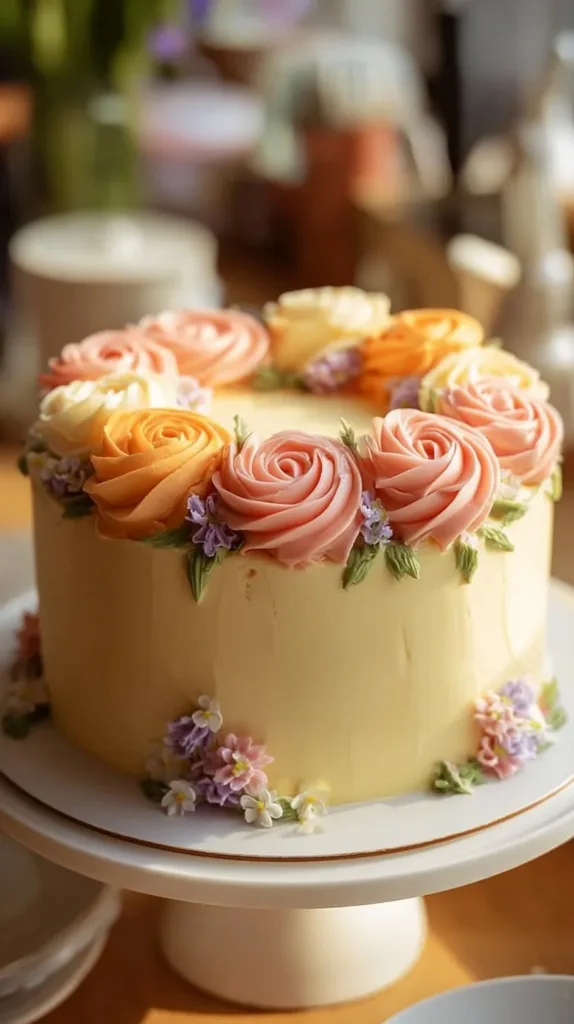
Lemon Butter Cake
Ingredients
Method
- Preheat your oven to 350°F (175°C) and grease two 9-inch round cake pans with butter, then lightly dust with flour.
- In a large mixing bowl, cream together the softened butter and granulated sugar until light and fluffy (about 3-5 minutes).
- Add the eggs one at a time, beating well after each addition, then stir in the lemon zest.
- In a separate bowl, whisk together the flour, baking powder, baking soda, and salt.
- Gradually add the dry mixture to the wet ingredients, alternating with the buttermilk, starting and ending with the dry ingredients.
- Stir in the vanilla extract.
- Divide the batter evenly between the prepared pans and level the tops.
- Bake in the preheated oven for 25-30 minutes or until a toothpick inserted in the center comes out clean.
- Let the cakes cool in the pans for 10 minutes before turning them out onto wire racks to cool completely.
- Once cooled, frost the cake with your favorite buttercream and decorate as desired.