Classic New Orleans Beignets
Classic New Orleans Beignets
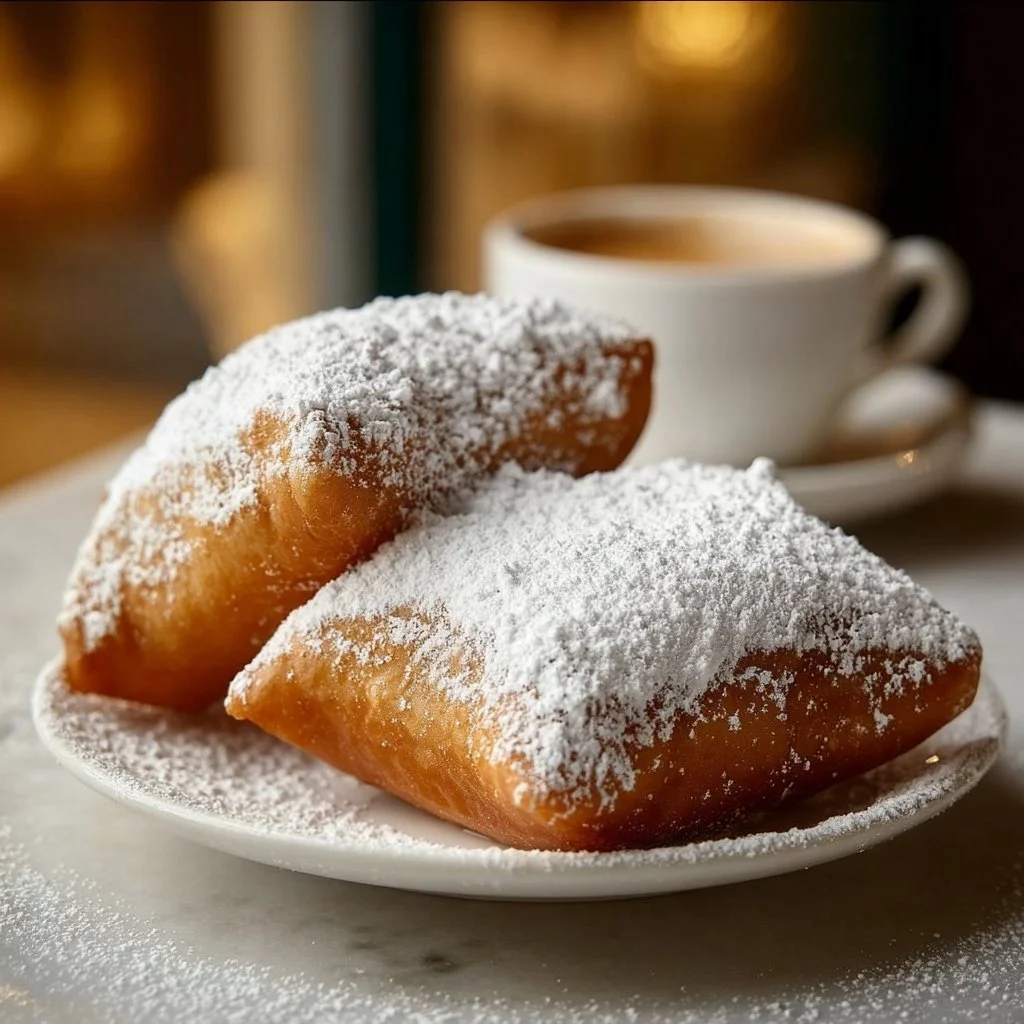
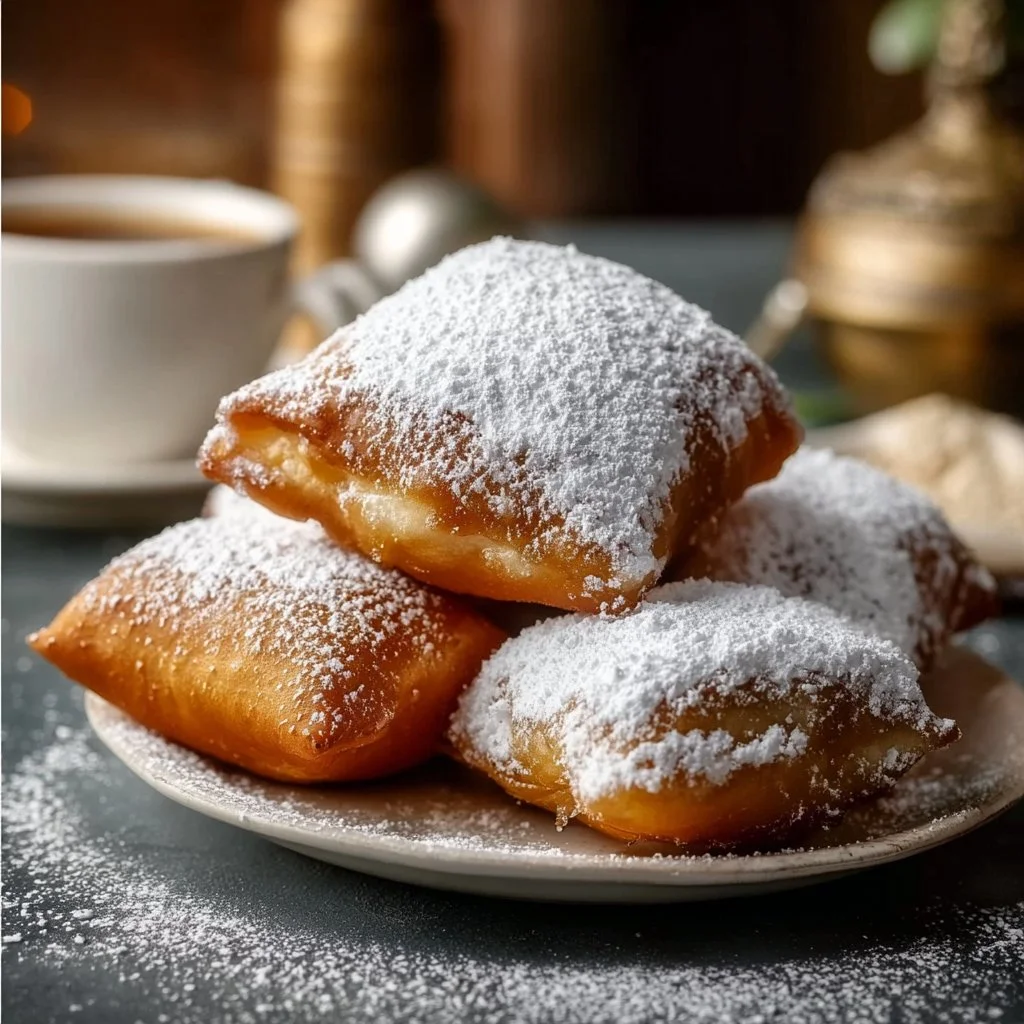
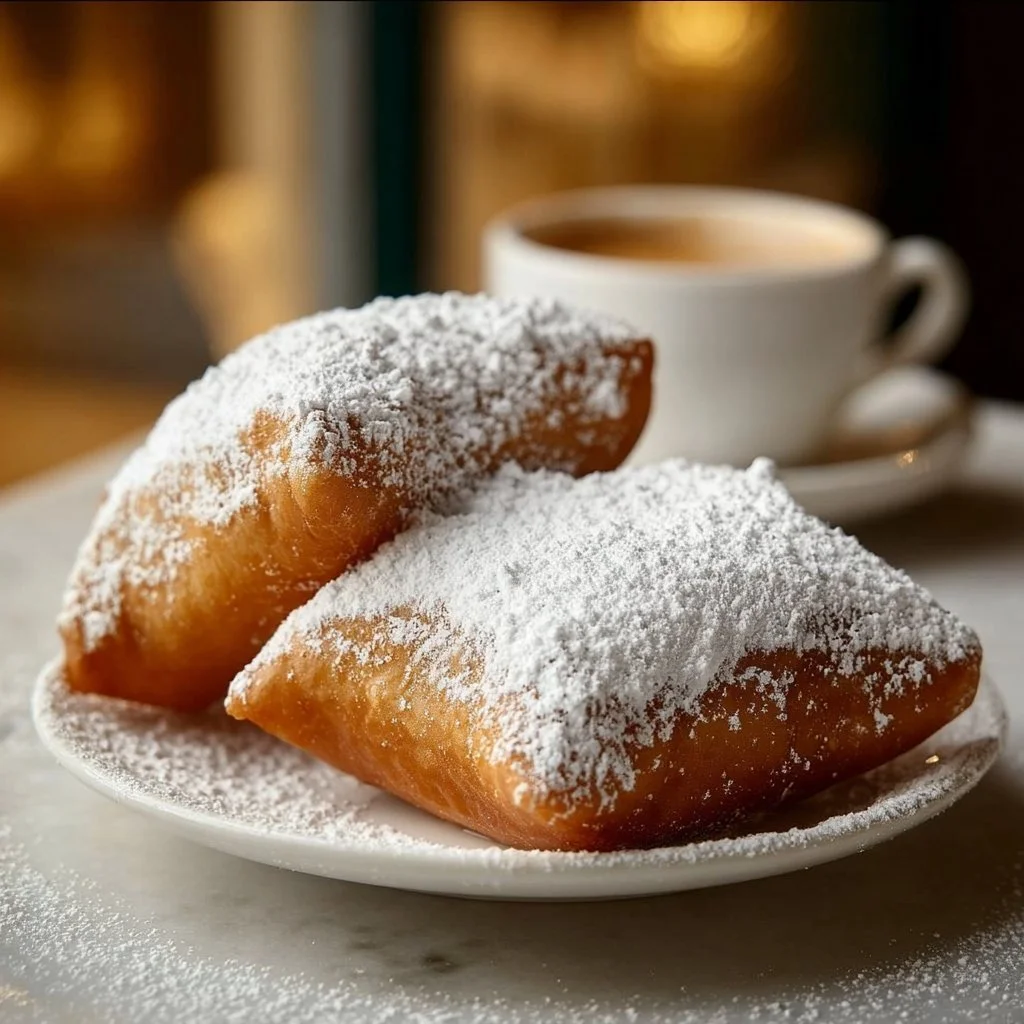
Classic New Orleans beignets delight the senses, offering a sweet and comforting indulgence that brings the vibrant culture of New Orleans to life with each bite. Originating in France and deeply rooted in Creole cuisine, these delicate donuts dusted with powdered sugar are not merely a dessert; they’re a beloved staple in New Orleans cuisine. With a warm, pillowy center encased in a crisp, golden shell, beignets create a sensory experience you won’t soon forget. Whether you enjoy them alongside a steaming cup of café au lait or as a treat on their own, beignets have become a quintessential part of New Orleans’ culinary landscape, drawing locals and tourists alike to cafés where the aroma of frying dough and sugar fills the air.
What Makes This Recipe Stand Out
This recipe for classic New Orleans beignets truly stands out due to its authenticity and homage to the traditional methods that have been passed down for generations. One of the most compelling features of this dish is its rich historical context. Beignets were introduced to Louisiana by French colonists in the 18th century, but they quickly evolved into their own unique creation, blended with local ingredients and culinary techniques.
Another reason this recipe is exceptional lies in the flavors and textures that come together to create an unforgettable treat. The dough itself is a delightful balancing act—soft yet chewy, with a hint of sweetness that plays beautifully against the cloud of powdered sugar. Each piece of fried dough remains airy and fluffy on the inside while achieving a delicate crispness on the outside. This sumptuous contrast makes each bite an exploration of texture that embodies comfort food at its finest.
Moreover, making beignets at home can be an enjoyable experience, perfect for gatherings or cozy family breakfasts. The aroma of fresh beignets frying can transform your kitchen into a bustling café, and the act of making them allows you to connect with the essence of New Orleans, no matter where you reside. Picture yourself covering your freshly fried beignets in a generous dusting of powdered sugar, smiling as the sweet aroma envelops you and your loved ones.
When you pair these delightful treats with a strong coffee, it becomes an experience that rings similar to the cultural activities found in the streets of New Orleans. This recipe not only honors the traditional nuances but also invites creativity; feel free to play with fillings or serve them with dipping sauces for a contemporary twist on a classic favorite.
Ingredient Breakdown
- All-purpose flour
- Sugar
- Yeast
- Salt
- Milk
- Egg
- Unsalted butter
- Water
- Vegetable oil (for frying)
- Powdered sugar (for dusting)
The selection of ingredients used in classic New Orleans beignets is vital to achieving the perfect flavor and texture. Firstly, all-purpose flour serves as the foundation of the dough, providing the necessary structure while also allowing for that light, pillowy interior we all crave. Adding sugar to the mix not only sweetens the dough but also contributes to the overall browning process during frying, enhancing the pleasing golden color we associate with traditional beignets.
Yeast is another crucial component; it is responsible for the light and airy quality of the dough. The fermentation process activates the yeast, causing the dough to rise, which results in that delightful fluffiness. Salt balances the sweetness of the sugar and enhances all the flavors, while milk creates a tender texture, contributing richness that elevates the beignets’ overall taste. An egg adds cohesion to the ingredients, helping bind everything together for a uniform dough.
Unsalted butter enriches the beignet dough, contributing to the subtly buttery flavor that is essential for an indulgent treat. Water, particularly when warm, activates the yeast, ensuring that it blooms perfectly for a better rise. To fry the beignets, you’ll need vegetable oil, which has a high smoke point, delivering even cooking without transferring any unwanted flavors. Finally, powdered sugar becomes the crowning touch when dusted over the warm beignets, completing the visual and taste experience.
| Ingredient | Role in the Recipe |
|——————|——————————————-|
| All-purpose flour| Creates the structure |
| Sugar | Sweetens the dough and aids browning |
| Yeast | Provides leavening for fluffiness |
| Salt | Balances flavors |
| Milk | Adds richness and tenderness |
| Egg | Binds the ingredients |
| Unsalted butter | Contributes to flavor and texture |
| Warm water | Activates the yeast |
| Vegetable oil | For frying, ensuring crispy texture |
| Powdered sugar | For the finishing touch |
Step-by-Step Preparation for Classic New Orleans Beignets
Step One
To kick off your classic New Orleans beignets, start by creating the yeast mixture. In a small bowl, combine warm water—ideally between 110°F to 115°F—to ensure that it is warm but not too hot, which can kill the yeast. Sprinkle in the yeast and sugar, stirring them together gently. Allow this mixture to sit for about five minutes or until it becomes frothy. The froth indicates that the yeast is alive and ready to work its magic, which is critical for achieving that airy, fluffy quality in your beignets.
Step Two
Next, you’ll want to sift together the flour and salt in a separate, larger mixing bowl. This step is essential, as it aerates the flour while ensuring a uniform consistency free of clumps. Once you’ve achieved a fine flour blend, create a well in the center. Into this well, pour in the yeast mixture, followed by the egg, warmed milk, and melted butter. Now, begin to stir the mixture with a spatula or wooden spoon until it comes together to form a soft dough. It should not be too sticky or too dry, striking a balance that will allow you to knead it comfortably.
Step Three
Once your dough is ready, it’s time for some hands-on work. Transfer it onto a floured surface and knead for approximately five minutes. As you knead, you are encouraging the gluten to develop, which will give structure and elasticity to your beignets. The goal is to achieve a smooth dough that feels slightly tacky but not overly sticky. Once you have kneaded the dough, place it into a greased bowl, cover it with a clean kitchen towel or plastic wrap, and let it rise in a warm, draft-free area. Allow the dough to double in size, which typically takes about 1-2 hours. This step is crucial; the longer the dough rises, the better the texture will be in your finished beignets.
Step Four
With your dough perfectly risen, it’s time to shape those fluffy delights! Start by rolling the dough out onto a lightly floured surface to about 1/4 inch thick. Use a sharp knife or pizza cutter to cut the dough into squares or rectangles about 2-3 inches wide. Meanwhile, heat the vegetable oil in a deep fryer or a heavy-bottomed pot to 350°F (175°C). Make sure to monitor the temperature closely, as the oil can quickly become too hot, burning the beignets before they cook through. Once the oil is ready, fry the squares in batches, ensuring you don’t overcrowd the pot. Each batch should take about 1-2 minutes per side, monitoring for that perfect golden-brown color. When they’re done, remove the beignets with a slotted spoon and place them on paper towels to drain off the excess oil. Finally, don’t forget to liberally dust your warm beignets with powdered sugar and serve them immediately for a warm, melt-in-your-mouth experience.
Full Cooking Directions
To begin making your beignets, combine warm water, yeast, and sugar in a bowl. Let this mixture sit for about five minutes until it’s foamy—this signals that your yeast is active and ready to help your dough rise. While waiting, take a large mixing bowl and sift together flour and salt thoroughly. Once mixed, add your foamy yeast mixture, egg, warmed milk, and melted butter to the flour. Mix everything until a soft, cohesive dough forms, ensuring no dry flour remains.
Next, transfer the dough to a lightly floured surface and knead it for about five minutes until it reaches a smooth, elastic texture. Once smooth, place the dough into a greased bowl, cover it with a damp cloth, and allow it to rise in a warm place until its size doubles—this typically takes between one and two hours.
Available time to let your dough rise is perfect for preparing yourself for the next steps. Once the dough has risen, you will need to roll it out to about 1/4 inch thick, then cut it into squares using a knife or a pastry cutter. Meanwhile, fill a deep frying pot with vegetable oil and heat it to 350°F (175°C). Once at the correct temperature, begin frying the beignet squares, ensuring you do so in batches to avoid overcrowding the pot. Cook them for about 1 to 2 minutes per side or until they achieve a golden-brown hue.
After frying, remove the beignets using a slotted spoon, allowing them to drain on paper towels. Finally, liberally dust the warm treats with powdered sugar before serving them hot.
Pro Tips & Extra Guidance
For an even more authentic experience, consider using a blend of different flavored oils for frying. While classic vegetable oil works wonderfully, options like peanut oil or coconut oil can add unique flavors. Additionally, you might want to play around with fillings. While traditional beignets are served plain, consider trying a fruit jam or chocolate filling using a piping bag for a modern twist.
If you find the dough too sticky during kneading, add small amounts of flour gradually, as adding too much flour all at once can make your beignets dense. Conversely, if you feel the dough is too dry, a dash of milk can help achieve the right consistency.
Lastly, for achieving that perfect fried crust without the risk of overcooking the inside, keep a close eye on the temperature of the oil during frying. An infrared thermometer is a great tool to maintain consistent oil temperature.
Best Practices for Storing & Reheating
Once you have made your delicious classic New Orleans beignets, consider how best to store them for later enjoyment. Ideally, beignets are best enjoyed fresh and warm; however, if you have leftovers, place them in an airtight container or a resealable plastic bag, making sure they are completely cooled to prevent moisture from making them soggy. They can be stored at room temperature for up to 24 hours.
If you wish to keep them for a longer period, consider freezing. Lay them flat in a single layer on a baking sheet to freeze individually, then transfer them to a freezer-safe bag or container. Frozen beignets can be thawed at room temperature and reheated in an oven at 350°F (175°C) for about 5-7 minutes to regain their fresh texture. Alternatively, you can reheat them in an air fryer for 3-5 minutes, which will help maintain their delicious crispy exterior.
Common Questions Answered
Can I use instant yeast instead of active dry yeast in this recipe?
Yes, you can substitute instant yeast for active dry yeast. However, you’ll skip the proofing step and mix the instant yeast directly with the flour along with the other dry ingredients.
How do I achieve the right texture in beignets?
The key to achieving light and airy beignets is to allow the dough to rise properly before frying. Ensure your yeast is active, and take care not to over-knead or over-fry the dough as this can lead to denser results.
Can I make dough ahead of time?
Definitely! You can prepare your dough the night before, place it in the fridge after it has risen, and allow it to slowly rise overnight. Just remember to bring it back to room temperature before rolling and cutting the dough.
What can I use if I don’t have a deep fryer?
If you don’t have a deep fryer, a heavy-bottomed pot works perfectly fine for frying. Just make sure to fill it only halfway with oil and monitor the temperature carefully to avoid overflow during frying.
What should I do if my beignets come out too oily?
If your beignets are too oily, it may be a sign that the oil temperature was too low during frying. Ensure the oil reaches 350°F before adding dough. Additionally, make sure to drain them well on paper towels after frying to absorb excess oil.
Can I modify the recipe for different allergens?
Certainly! For a dairy-free option, substitute milk with almond or oat milk and use dairy-free butter or oil. For gluten-free beignets, there are gluten-free flour blends available that can replace all-purpose flour.
Are there any variations for serving beignets?
While powdered sugar is traditional, consider serving beignets with flavored dips like chocolate sauce, caramel, or fruit preserves for an exciting twist. You can also experiment with fillings, creating an entirely new dessert experience.
Final Thoughts + Call to Action
Classic New Orleans beignets are more than just a delicious treat; they represent the heart and soul of a vibrant city rich in culture and flavor. In crafting your own beignets at home, you not only create a delightful experience for yourself and your loved ones but also immerse yourself in a culinary journey rooted in tradition. So, get in the kitchen today and indulge in the magic that is classic New Orleans beignets—your taste buds will thank you!
Classic New Orleans Beignets
Ingredients
Method
- Combine warm water, yeast, and sugar in a small bowl to create the yeast mixture. Allow it to sit for about 5 minutes until foamy.
- In a larger bowl, sift together flour and salt. Create a well in the center and add the yeast mixture, egg, warmed milk, and melted butter.
- Stir the mixture until it forms a soft dough that is not too sticky.
- Transfer the dough to a floured surface and knead for about 5 minutes until smooth.
- Place the dough in a greased bowl, cover, and let it rise in a warm place for 1-2 hours or until doubled in size.
- Once risen, roll out the dough to about 1/4 inch thick and cut into squares.
- Heat vegetable oil in a deep fryer or heavy pot to 350°F (175°C).
- Fry the squares in batches for 1-2 minutes on each side, until golden brown.
- Remove with a slotted spoon and drain on paper towels, then dust with powdered sugar before serving.