A Lemon Cake To Die For
A Lemon Cake To Die For
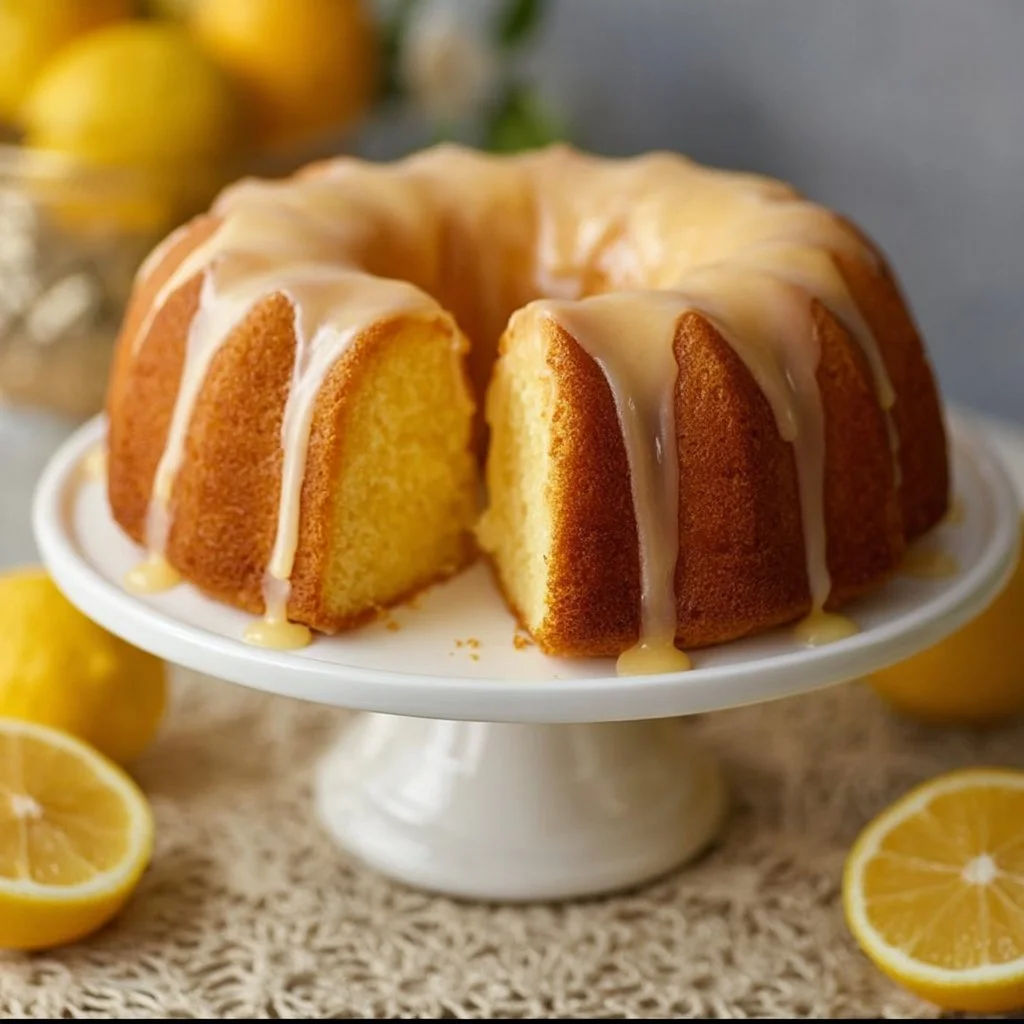
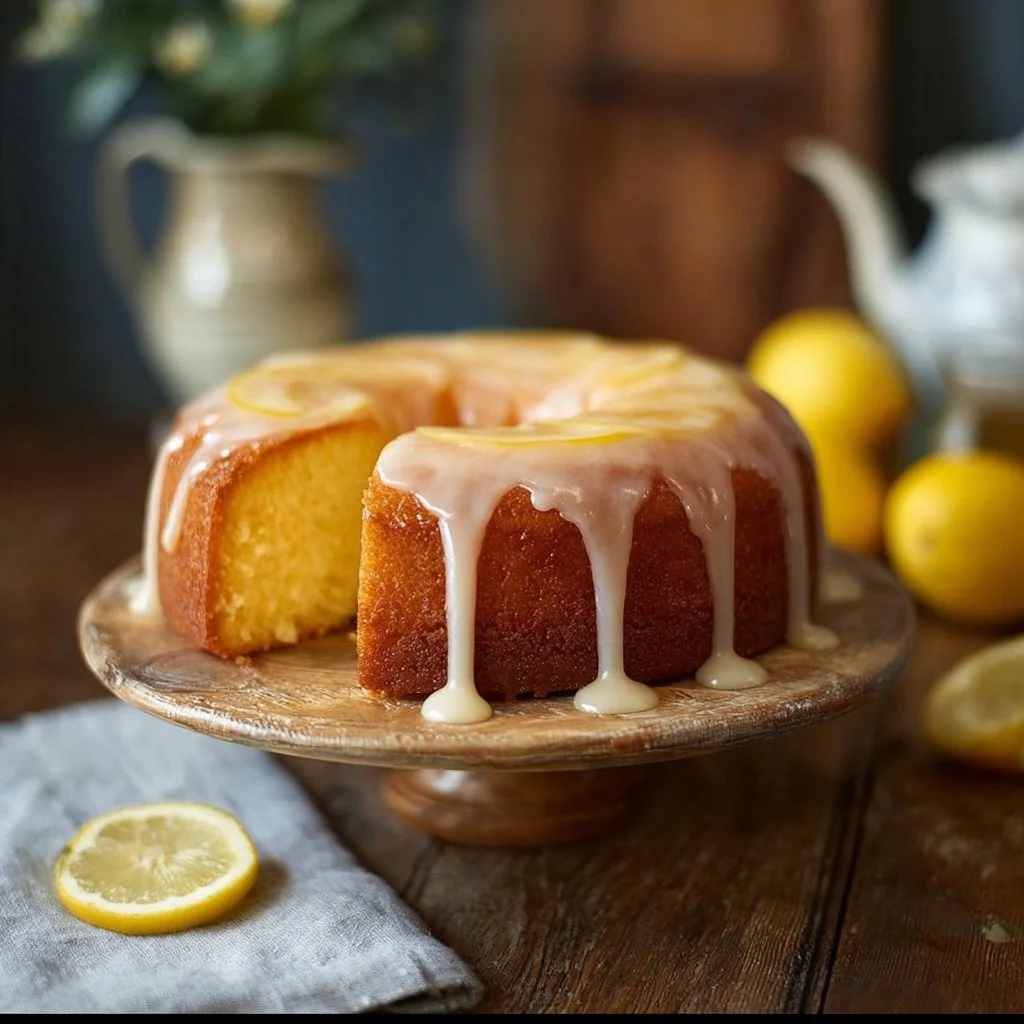
A Lemon Cake To Die For is not just a dessert; it’s a celebration of sweetness, tanginess, and the joy of home baking. Picture it: a luscious lemon-flavored loaf, its golden crust promising a delightfully moist crumb within. This cake invites you to take a deep breath, close your eyes, and bask in the sunlit aroma of citrus. A classic favorite that garners admiration at every gathering, this lemon cake encapsulates comfort while bringing a refreshingly tart twist to your palate. Whether you’re celebrating a special occasion or simply indulging yourself, this cake will surely make your moment memorable.
What Makes This Recipe Stand Out
What makes this recipe truly exceptional is the harmonious balance of flavors and the simplicity of its preparation. Lemon, with its bright acidity, stands boldly against the backdrop of sweet sugar and rich butter, crafting a perfectly tangy treat. That’s not all; this cake showcases a unique moistness that leaves it tantalizingly soft without being overly rich. Each bite reveals a burst of citrusy zest, leaving a refreshing aftertaste that beckons for another slice.
This lemon cake brings a nostalgic feel, reminiscent of sunny days and cheerful gatherings. It often finds its way to birthdays, summer picnics, or simply a cozy afternoon tea. The emotional connection with the dish grows as you pass it around, sharing memories and laughter while delighting in its flavor.
Moreover, this recipe is adaptable, allowing everyone to make it their own. Whether you choose to elevate it with berries, enhance the glaze with herbs, or even add a secret ingredient for depth of flavor, this lemon cake caters to creativity without losing its core essence. So, if you’re eager to impress your family and friends or treat yourself to something delicious, this Lemon Cake To Die For is the delightful choice you need.
Ingredient Breakdown
To embark on crafting A Lemon Cake To Die For, gather the following ingredients:
- 1 ½ cups all-purpose flour
- 2 teaspoons baking powder
- ½ teaspoon salt
- ½ cup unsalted butter, softened
- 1 cup granulated sugar
- 2 large eggs
- 2 teaspoons vanilla extract
- 1 tablespoon lemon zest
- ¼ cup fresh lemon juice
- ½ cup buttermilk
- ½ cup powdered sugar (for glaze)
- 2 tablespoons lemon juice (for glaze)
- 1 tablespoon milk (for glaze)
Each ingredient plays a crucial role in elevating this cake. The all-purpose flour offers structure and stability, ensuring that the cake rises beautifully without becoming too dense. Baking powder acts as a leavening agent, providing the necessary lift and creating an airy texture. Salt enhances overall flavor, balancing out the sweetness.
The unsalted butter is where the magic begins, contributing to the rich, moist crumb that characterizes this cake. When creamed with sugar, it incorporates air, fostering a fluffy texture that makes each slice melt in your mouth. Eggs add richness and moisture, while also binding the ingredients together.
Vanilla extract enhances the cake’s flavor, rounding out the lemon’s tartness with warmth. Fresh lemon zest introduces essential oils, imparting a vibrant aroma and a punch of lemony goodness. Lemon juice not only adds sharpness but assists in activating the baking powder, boosting the cake’s rise.
Buttermilk is crucial in this recipe; it adds acidity, which interacts beautifully with the baking soda, leading to a tender cake. The glaze, made from powdered sugar, lemon juice, and milk, transforms the cake into a show-stopping dessert, creating a sweet and tangy finish that nobody can resist.
| Ingredient | Role |
|——————-|—————————————|
| All-purpose flour | Provides structure and stability |
| Baking powder | Leavens the cake and creates airiness |
| Salt | Enhances the overall flavor |
| Butter | Contributes moisture and richness |
| Sugar | Adds sweetness and tenderness |
| Eggs | Binds ingredients and adds richness |
| Vanilla extract | Rounds out flavors |
| Lemon zest | Introduces fragrance and brightness |
| Lemon juice | Adds acidity and flavor depth |
| Buttermilk | Creates tenderness and moisture |
| Powdered sugar | For the glaze, adds sweetness |
| Milk | Combines ingredients for the glaze |
Step-by-Step Preparation for A Lemon Cake To Die For
Step One
Start by preheating your oven to 350°F (175°C). While the oven warms up, take a 9×5-inch loaf pan and prepare it by greasing it generously with butter or cooking spray, followed by lining it with parchment paper. This ensures that your cake releases smoothly after baking, allowing it to maintain its beautiful shape. This initial preparation is crucial, as a well-prepped pan sets the foundation for a successful bake.
Step Two
In a medium bowl, combine the flour, baking powder, and salt. Whisk these dry ingredients together until they are well blended. This step is essential to evenly distribute the leavening agent throughout the flour—a practice that ensures your cake rises uniformly, leading to a delicate crumb. Set this mixture aside to allow the ingredients to meld together while you transition to the next phase of your lemon cake.
Step Three
In a large mixing bowl, cream together the softened butter and granulated sugar. Beat the mixture on medium speed for about three minutes until pale and fluffy. This process not only incorporates air into the batter for leavening but also helps to achieve the ideal texture. Once the butter and sugar reach that perfect creamy consistency, add the eggs one at a time, ensuring you mix well after each addition. Then, pour in the vanilla extract, lemon zest, and freshly squeezed lemon juice, blending until everything is smooth and well incorporated. This step is where the flavors begin to come alive, setting the stage for a delicious cake.
Step Four
Now it’s time to incorporate your dry ingredients into the wet mixture. Begin by alternating between adding the flour mixture and the buttermilk to the bowl, starting and ending with the dry ingredients. Gently fold everything together until just combined, being careful not to overmix, which can lead to a denser cake. Once your batter is ready, pour it into the prepared loaf pan and spread it out evenly. Bake the cake in the preheated oven for 50 to 60 minutes or until a toothpick inserted into the center comes out clean. Here, the magic happens as the cake transforms into a golden beauty with a delightful aroma filling your kitchen.
Full Cooking Directions
First, preheat your oven to 350°F (175°C) and prepare a 9×5-inch loaf pan by greasing and lining it with parchment paper. This step is crucial to ensure your cake has a proper release after baking, preventing it from sticking to the pan.
Next, in a medium bowl, whisk together the flour, baking powder, and salt. Setting this mixture aside while you work on the wet ingredients creates a clear pathway to smooth integration later.
In a large mixing bowl, cream together the softened butter and granulated sugar until the mixture turns pale and fluffy, which should take about three minutes. This step infuses air into the batter, making your cake light and airy. Incorporate the eggs one at a time, mixing well after each addition. Finally, add in the vanilla extract, lemon zest, and lemon juice, blending everything together until smooth.
Begin slowly adding in the dry ingredients along with the buttermilk. Alternate between the two, starting and finishing with the flour mixture. This method helps to keep the batter from becoming overworked, thus avoiding a tough texture. Mix just until combined to maintain that tender crumb we all love.
Pour the batter into the prepared loaf pan. Ensure it’s spread out evenly, then pop it in the oven. Your cake will need about 50 to 60 minutes to bake, but it’s crucial to keep an eye on it. A toothpick test is your best friend here; it should come out clean when the cake is done.
Once baked, remove the cake from the oven and let it cool in the pan for about 10 minutes. After that, you can poke holes in the top of the cake using a skewer or a fork, allowing the lemon syrup to seep in and infuse more citrus flavor. Speaking of syrup, prepare it by brushing the surface with a lemon mixture.
Finally, prepare the glaze. Combine powdered sugar with lemon juice and a splash of milk until smooth. Once your cake has cooled down, drizzle the glaze over the top and let it set.
Pro Tips & Extra Guidance
When attempting A Lemon Cake To Die For, there are several tips and variations you can consider to make your experience even more enjoyable. First and foremost, be sure to use fresh lemon juice and zest—it makes all the difference in achieving that vibrant, zesty flavor. If you’re feeling adventurous, think about mixing in some poppy seeds for a lovely crunch or folding in berries for added moisture and sweetness.
Additionally, always check the doneness of your cake a few minutes before the time indicated in the recipe. Every oven behaves a little differently; you may find your cake needs more or less time. If you notice the top browning too quickly, consider placing a piece of aluminum foil loosely over the pan to prevent over-browning.
Also, don’t rush the cooling process. Allowing your cake to cool briefly in the pan prevents it from collapsing and helps set the crumb, making for a better texture overall.
Finally, consider serving your cake with a dollop of whipped cream or a side of fresh strawberries; the rich cream pairs beautifully with the cake’s brightness.
Best Practices for Storing & Reheating
To keep your Lemon Cake To Die For fresh and delicious, proper storage is key. Ideally, allow the cake to cool completely before wrapping it tightly in plastic wrap or aluminum foil. If you plan on enjoying it within a few days, store it at room temperature in a cool, dry place. It should last up to four days while maintaining its tantalizing flavor and texture.
For longer storage, consider freezing your cake. Slice it first, so you can enjoy individual pieces as desired. Wrap each slice in plastic wrap, followed by a layer of aluminum foil to prevent freezer burn. When stored this way, the cake can remain in the freezer for up to three months. When you’re ready to indulge, simply thaw it in the refrigerator overnight or at room temperature for a couple of hours.
To reheat, gently place slices in the microwave for about 15-20 seconds, ensuring you don’t dry it out. Alternatively, you could warm it briefly in the oven at a low temperature, about 300°F (150°C) for 10 minutes. This method will retain its delightful moistness while bringing back that freshly-baked goodness.
Common Questions Answered
What kind of lemons are best for baking?
When baking, opt for fresh, in-season lemons. Varieties such as Eureka or Lisbon lemons are commonly used; they have the tangiest flavor that shines in baked goods. Meyer lemons, with their sweeter nuance, can also be great for a lighter taste.
Can I use bottled lemon juice instead of fresh?
Using fresh lemon juice is recommended for the best flavor profile. Bottled lemon juice can work in a pinch, but it may lack the same brightness and depth. If using bottled juice, ensure it has no added preservatives for a more authentic taste.
Can I substitute regular milk for buttermilk?
Yes, if you don’t have buttermilk handy, you can create a substitute by mixing milk with an acid, like vinegar or lemon juice. For one cup of buttermilk, use one cup of milk and add one tablespoon of either vinegar or lemon juice. Let it sit for about 5-10 minutes before using.
Can I make this cake gluten-free?
Absolutely! You can substitute regular all-purpose flour with a gluten-free flour blend that includes xanthan gum. Be mindful that texture may vary slightly, but with the right mix, you’ll still achieve a delightful lemon cake.
How can I prevent my cake from sinking?
To prevent the cake from sinking, ensure that you don’t overmix your batter—gentle folding is key. Additional factors to watch for include ensuring your baking powder is fresh and preheating your oven thoroughly before baking.
How can I tell my cake is done baking?
The best test for doneness is using a toothpick. Insert it into the center; if it comes out clean or with a few moist crumbs attached, your cake is ready. If it comes out wet with batter, give it more time in the oven.
Can I use a different pan size for this recipe?
Yes! You can absolutely use a different pan size depending on what you have on hand. Just keep an eye on it while baking, as cooking times may vary. You might need a shorter time for thinner cakes or longer for thicker ones.
Final Thoughts + Call to Action
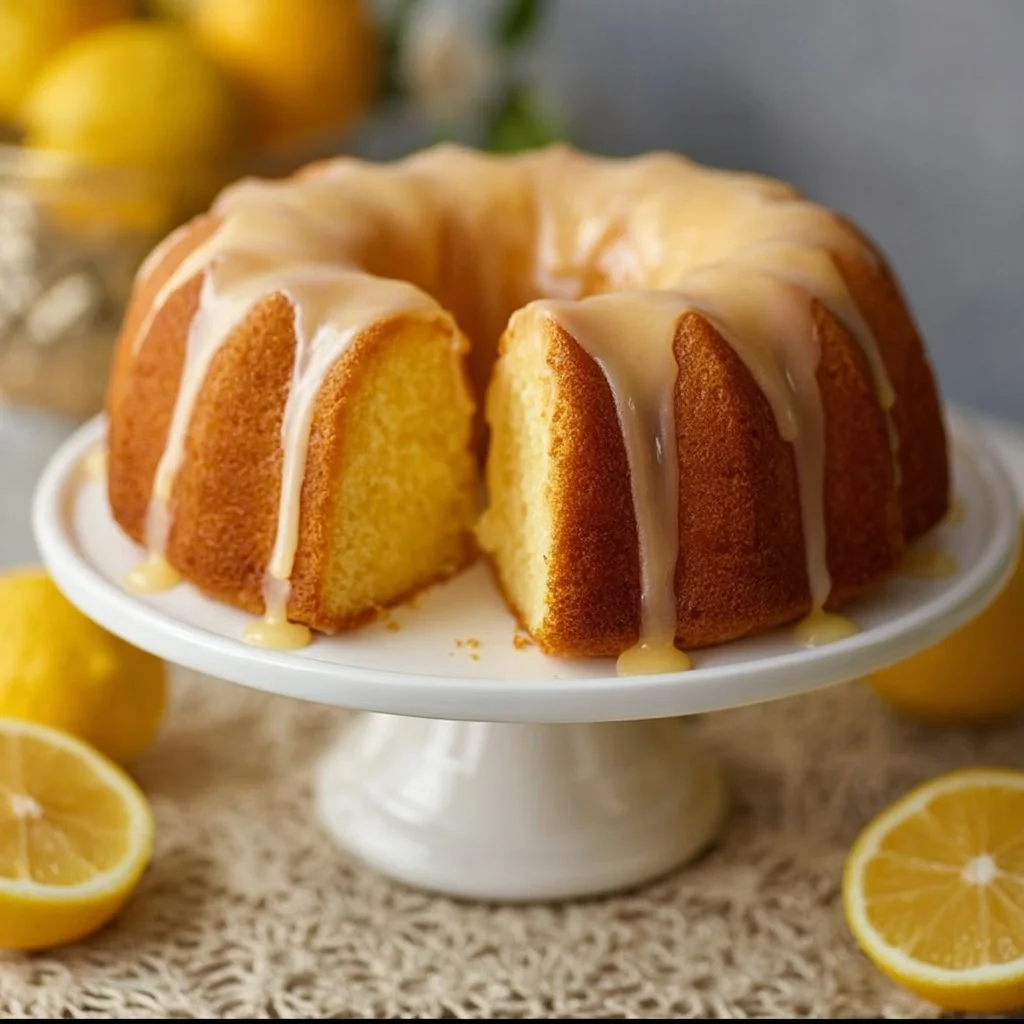
A Lemon Cake To Die For is truly a testament to the joy that a simple dessert can bring into our lives. Its beautifully balanced flavors, moist crumb, and charming glaze create a delightful treat that can brighten any day, making it a staple recipe in your culinary repertoire. So, roll up your sleeves, gather your ingredients, and whisk yourself away into the world of baking this delightful lemon cake. Trust me, you won’t regret a moment spent crafting this little slice of sunshine. Enjoy your baking, and savor every delicious bite!
Lemon Cake
Ingredients
Method
- Preheat your oven to 350°F (175°C). Grease a 9x5-inch loaf pan with butter or cooking spray and line it with parchment paper.
- In a medium bowl, whisk together the flour, baking powder, and salt. Set aside.
- In a large mixing bowl, cream together the softened butter and granulated sugar on medium speed for about three minutes until pale and fluffy.
- Add the eggs one at a time, mixing well after each addition. Stir in the vanilla extract, lemon zest, and lemon juice.
- Alternately add the flour mixture and buttermilk to the wet ingredients, starting and ending with the flour mixture. Mix until just combined.
- Pour the batter into the prepared loaf pan and spread it out evenly. Bake for 50 to 60 minutes, or until a toothpick inserted in the center comes out clean.
- Let the cake cool in the pan for about 10 minutes. Optionally, poke holes in the top of the cake and brush on some lemon syrup for added flavor.
- Prepare the glaze by whisking together powdered sugar, lemon juice, and milk. Drizzle the glaze over the cooled cake.