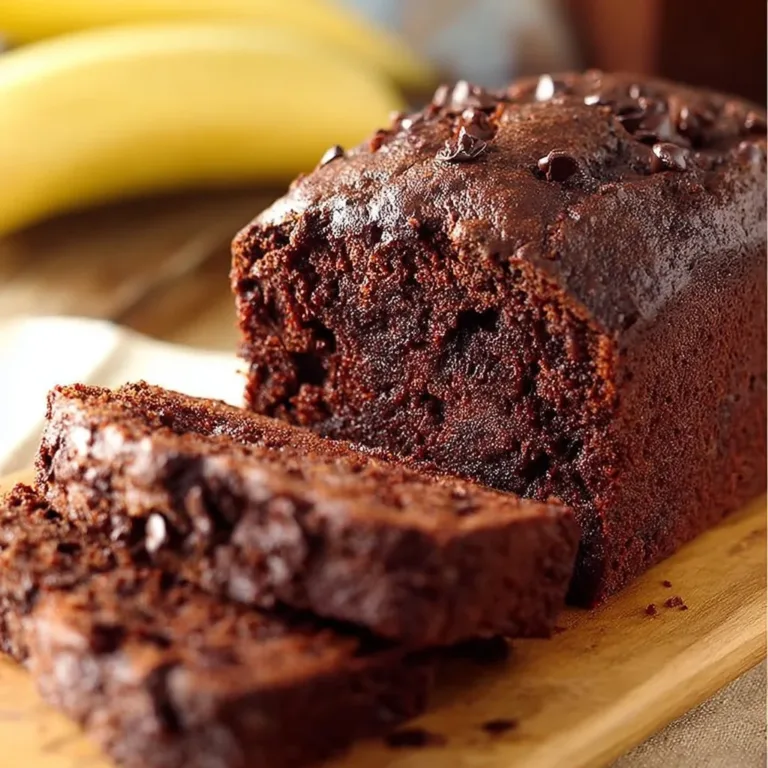
Easy Homemade Bread
Easy Homemade Bread
Easy homemade bread is more than just a recipe; it’s a warm embrace from your kitchen that fills your home with a rich aroma, inviting you to gather around the table. There’s something incredibly satisfying about making your own bread. Not only does it provide an opportunity to channel your inner baker, but it also offers the delightful reward of enjoying soft, fluffy slices that can elevate any meal. In this article, we will explore why you will love making easy homemade bread, what ingredients you need, step-by-step instructions on how to make it, and some helpful tips for storage and reheating.
Why You’ll Love It
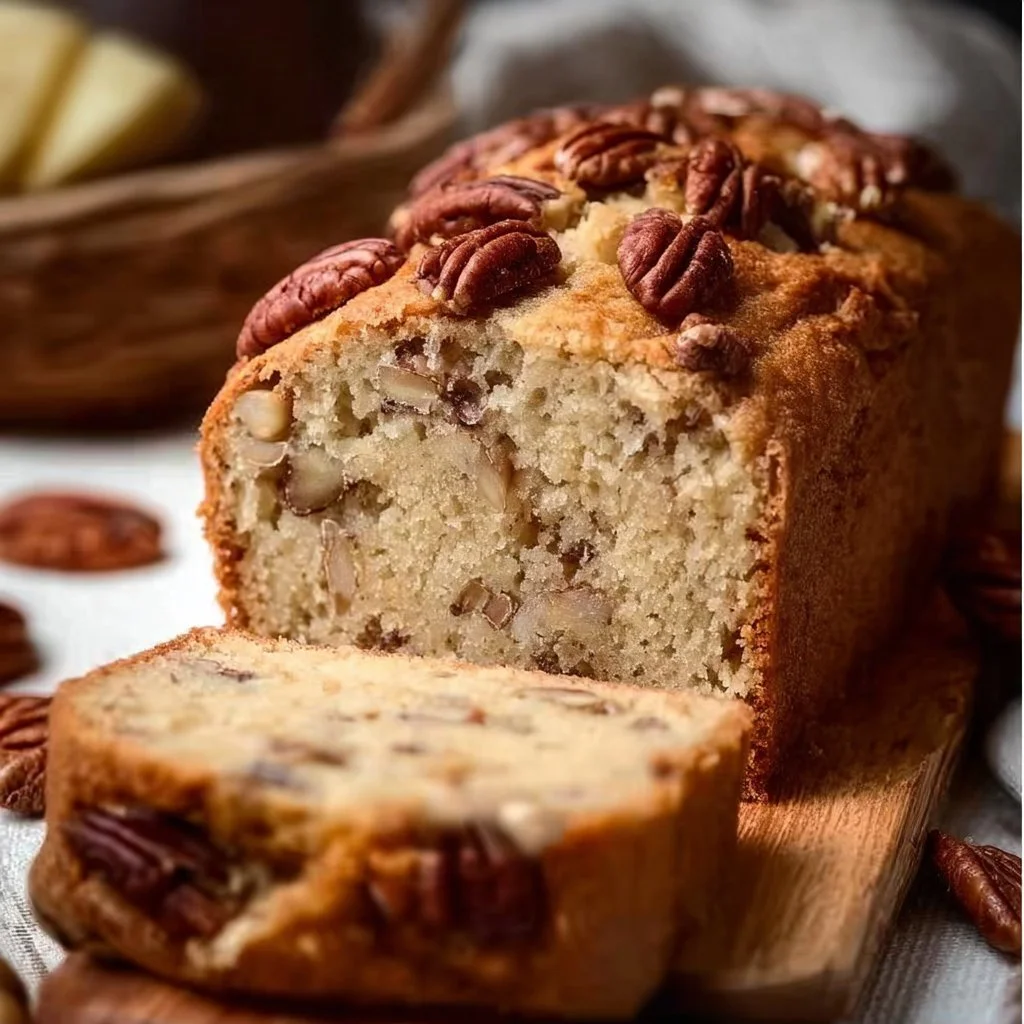
The first reason you’ll adore making easy homemade bread is the delightful aroma that fills your kitchen as it bakes. The wonderful scent of warm bread wafting through your home creates an atmosphere of comfort and nostalgia, reminiscent of family gatherings and cherished moments. It sparks joy, making every bite not just a meal, but a memory.
Moreover, homemade bread is a healthier alternative to store-bought varieties, which often contain preservatives and additives. When you make your own, you control each ingredient that goes into the dough, ensuring it’s nutritious and tailored to your family’s palate. You can experiment with whole grains, herbs, and spices, creating a loaf that suits your dietary needs and taste preferences.
Additionally, baking bread is a fantastic bonding activity. It invites family and friends into the kitchen, where teamwork transforms simple ingredients into something extraordinary. Children can learn foundational cooking skills while helping mix ingredients or knead dough. This hands-on experience promotes both creativity and collaboration.
Lastly, nothing quite compares to the feeling of slicing into a warm loaf of bread that you made yourself. Whether you enjoy it plain, with butter, or as part of a sandwich, each bite carries the love and effort you put into crafting it. So, roll up your sleeves, and let’s dive into the wonderful world of easy homemade bread!
Ingredients
{image_template}
To make this easy homemade bread, you will need the following ingredients:
- 2 cups warm water
- 2 teaspoons active dry yeast
- 1 tablespoon sugar
- 1 tablespoon salt
- 5 to 6 cups all-purpose flour (approximately)
These ingredients work in harmony to create a delightful loaf of bread. The warm water activates the yeast, setting the stage for the dough to rise and develop. Sugar feeds the yeast, promoting fermentation, while salt enhances flavor and controls yeast activity to prevent over-proofing. All-purpose flour provides the structure that allows the bread to rise, with its gluten ensuring the loaf is soft yet sturdy.
One of the best things about this recipe is its simplicity. You don’t need to gather an extensive list of exotic ingredients or spend a fortune at the grocery store. In fact, the magic lies in these basic pantry staples that most people already have at home.
How to Make Easy Homemade Bread
Step 1
To start your easy homemade bread, you will first need a large mixing bowl. Warm up approximately two cups of water until it’s comfortably warm but not too hot to touch. Then, sprinkle the active dry yeast along with the sugar into the water, giving it a gentle stir to combine the ingredients. Allow this mixture to sit for about 5 to 10 minutes. During this time, you’ll see the yeast activate as bubbles form on the surface, creating a frothy layer. This bubbling indicates that the yeast is alive and ready to help your bread rise.
Step 2
Once you see the frothy yeast mixture, it’s time to season your dough. Mix in the salt, which is essential for flavoring the bread and also plays an important role in regulating yeast activity. Next, gradually add the all-purpose flour. Start with one cup and stir it in using a spoon or a spatula. Continue adding flour, one cup at a time, mixing until a dough begins to form. The dough will feel sticky at first, but as you incorporate more flour, it starts to pull away from the sides of the bowl. Keep mixing until the dough is no longer overly sticky but still soft.
Step 3
Now that your dough is ready, it’s time to knead it. Turn the dough onto a floured surface. Sprinkle some flour on your work surface to prevent sticking, and gently press the dough with your palms. Knead it for about 8 to 10 minutes, folding it over and pushing it down, turning it a quarter turn between folds. As you work, you’re developing the gluten, which gives the bread its structure. You will know it’s ready when the dough feels smooth and elastic, bouncing back when you poke it with your finger.
Step 4
The next step involves letting the dough rise. Take your well-kneaded dough and place it in a greased bowl, covering it with a clean kitchen towel or plastic wrap. This covering helps retain warmth, allowing the dough to rise in a cozy environment. Set it in a warm spot in your kitchen and let it rise for about an hour or until it has doubled in size. Once it has risen, gently punch down the dough to release the air. Shape your dough into a loaf and place it into a greased loaf pan. Allow it to rise for an additional 30 minutes before baking. During this second rise, preheat your oven to 350°F.
Directions
In a large mixing bowl, combine warm water, yeast, and sugar. Let this mixture sit for 5-10 minutes until frothy. Afterward, stir in salt, and then gradually incorporate the flour, one cup at a time, until a soft dough has formed. Turn the dough out onto a floured surface and knead it for 8-10 minutes until it becomes smooth and elastic. Then, place the dough into a greased bowl, cover it with a kitchen towel, and let it rise in a warm area for approximately one hour or until it has doubled in size. Once risen, punch down the dough, shape it into a loaf, and transfer it to a greased loaf pan. Allow it to rise again for about 30 minutes. Meanwhile, preheat your oven to 350°F. Bake the bread for 30-35 minutes, or until it turns a lovely golden brown on top. Once done, remove it from the oven and let it cool slightly before slicing.
Helpful Notes
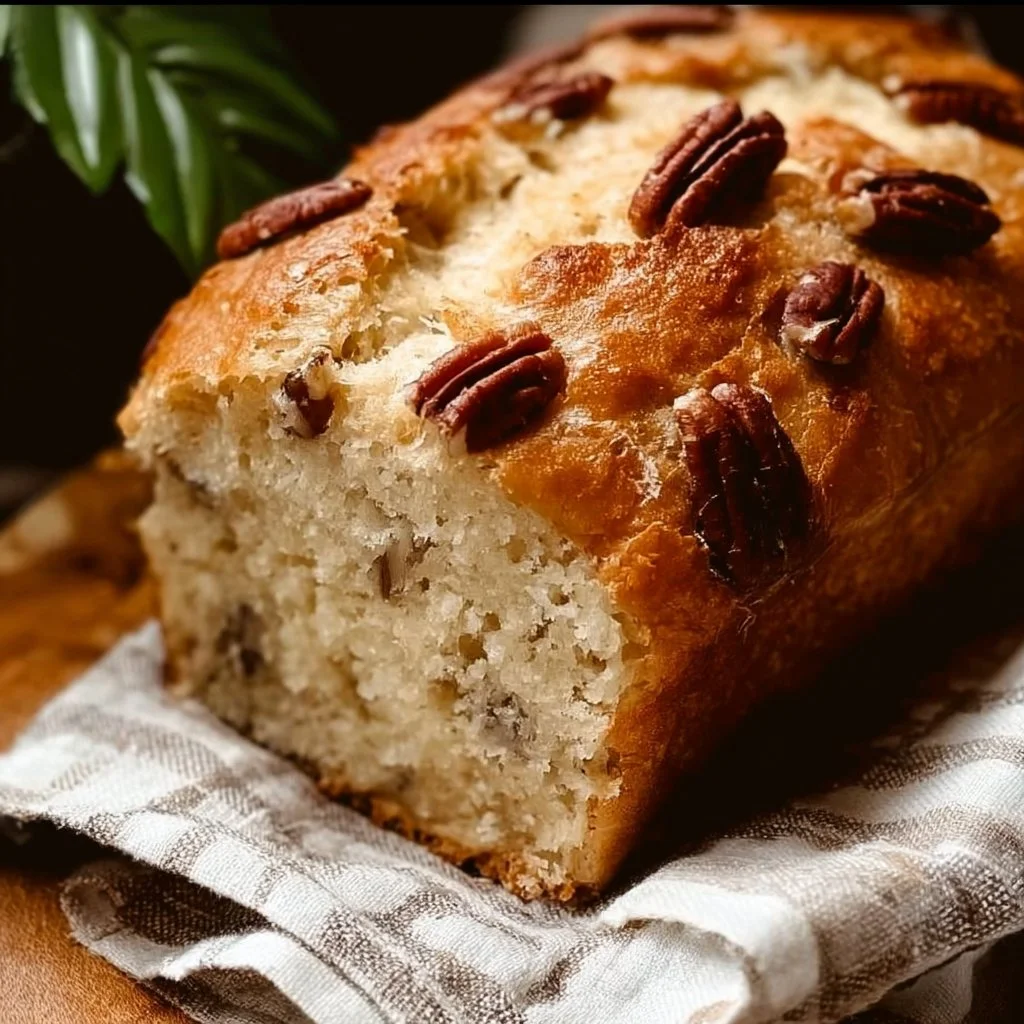
When making easy homemade bread, pay attention to key factors that enhance your baking experience. For instance, accuracy in measuring your ingredients, particularly the flour, is vital. Too much flour can lead to a dense loaf while too little can result in an overly sticky dough. It’s best to spoon the flour into your measuring cup and level it off with the edge of a knife for precision.
If you want to add flavors to your bread, consider incorporating herbs, garlic, or even cheese right after mixing in the flour. Experiment with different types of flour, like whole wheat or bread flour, but be aware that this may change the texture of your final product.
Finally, patience goes a long way in bread making. Allowing the dough enough time to rise is crucial for achieving that perfect fluffiness. If it’s a cooler day, the dough might take a bit longer to rise, so factor that into your baking schedule.
Storage & Reheating Tips
Proper storage is essential to keep your easy homemade bread fresh. Once the bread has cooled down completely, wrap it tightly in plastic wrap or aluminum foil. You can also place it in a resealable plastic bag. Stored this way, the bread stays fresh for about 3 to 5 days at room temperature.
If you want to keep it longer, consider freezing your homemade bread. Slice the loaf before freezing, then wrap individual pieces in plastic wrap, and place them in a freezer bag. This method allows you to defrost only what you need, keeping the rest fresh until you’re ready for more.
When it comes to reheating, you can enjoy your homemade bread in several ways. If it’s room temperature and you want to enhance its texture, pop a slice in the toaster for a few minutes. Alternatively, wrap the whole loaf in aluminum foil and warm it in a preheated oven at 350°F for about 10 to 15 minutes. This method revives the bread’s crust and makes it delightful for sandwiches or simply enjoying with some butter.
FAQs
How can I tell if my yeast is still good?
To check if your yeast is active, combine it with warm water and sugar. If it becomes frothy and bubbly within 10 minutes, it’s still good to use.
Can I substitute whole wheat flour for all-purpose flour?
Yes, you can substitute whole wheat flour in this recipe. However, use a bit less than the amount of all-purpose flour called for, as whole wheat flour absorbs more moisture.
Can I add herbs to this bread?
Absolutely! Fresh or dried herbs can enhance the flavor of your bread. Add them when you mix in the flour for a delicious twist.
What if my dough doesn’t rise?
If your dough doesn’t rise, it could be due to the yeast being dead or the environment being too cold. Make sure your yeast is alive and try placing the dough in a warmer area.
Can I make this bread without sugar?
Sugar is essential for activating the yeast, but you can use alternatives such as honey or leave it out entirely for a less sweet loaf. Just adjust the yeast and rising times accordingly.
How should I slice my bread?
Use a serrated bread knife for clean, even slices. Letting the bread cool completely before slicing helps it maintain its shape.
What can I do with leftover bread?
Leftover bread makes excellent breadcrumbs or croutons. You can also use it for stuffing or as a base for French toast.
Conclusion
In conclusion, easy homemade bread is a fulfilling and joyful experience—one that you can enjoy alone or share with loved ones. By following this simple recipe, you can create something delicious and wholesome right in your kitchen. So, gather your ingredients, roll up your sleeves, and start baking today. With just a little time and effort, you’ll soon impress family and friends with your homemade creations. Embrace the warmth of easy homemade bread in your home and share the love!
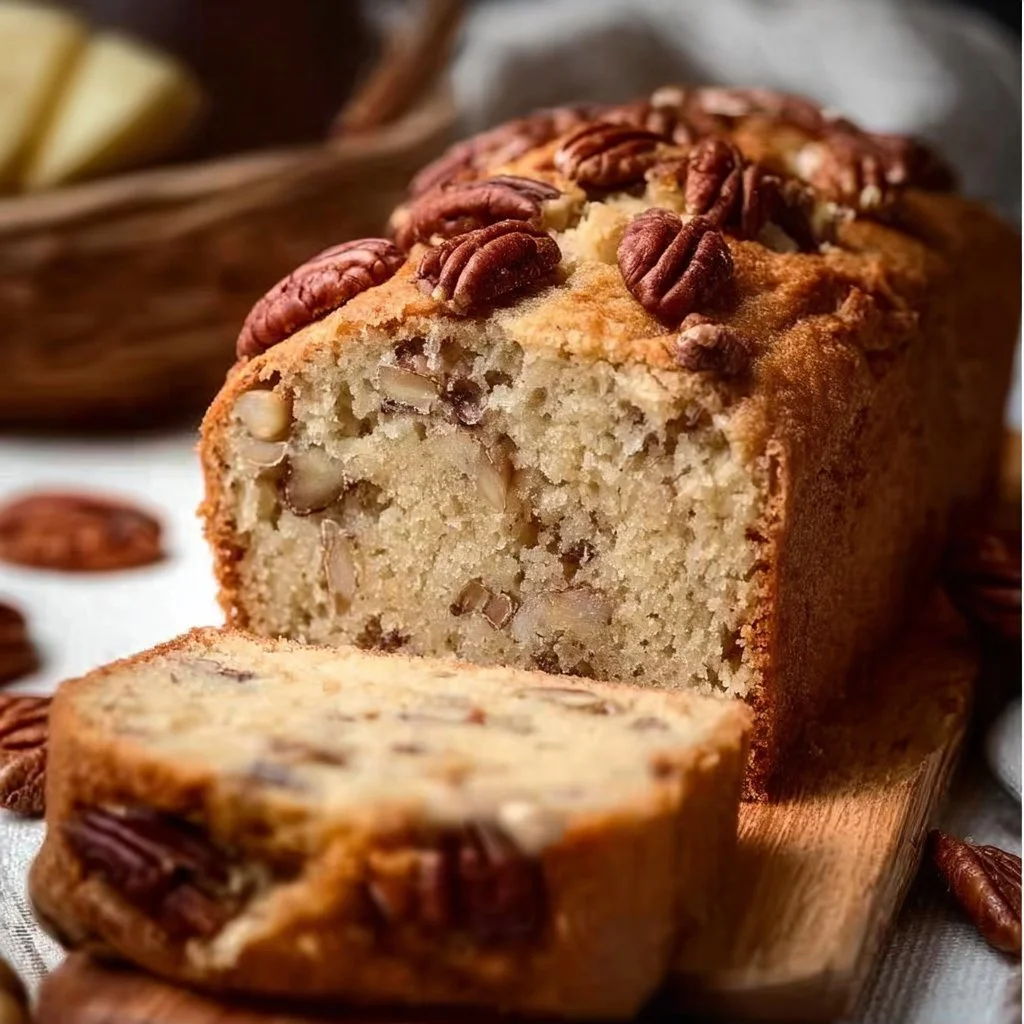
Easy Homemade Bread
Ingredients
Method
- In a large mixing bowl, combine warm water, yeast, and sugar. Let this mixture sit for 5-10 minutes until frothy.
- Stir in salt, then gradually incorporate flour, one cup at a time, until a soft dough forms.
- Turn the dough out onto a floured surface and knead for 8-10 minutes until smooth and elastic.
- Place the dough in a greased bowl, cover with a kitchen towel, and let it rise in a warm area for approximately one hour, or until doubled in size.
- Once risen, punch down the dough, shape it into a loaf, and transfer it to a greased loaf pan. Allow it to rise again for about 30 minutes.
- Preheat your oven to 350°F.
- Bake the bread for 30-35 minutes, until golden brown on top. Let cool slightly before slicing.