Japanese Cotton Cheesecake
Japanese Cotton Cheesecake
Japanese Cotton Cheesecake is a delight that has won the hearts of many dessert enthusiasts and casual eaters alike. This ethereal confection is a perfect blend of creaminess and fluffiness, making it distinct in the landscape of cheesecakes. Originally from Japan, this cheesecake holds a special place not just in Japanese cuisine, but has transcended borders, becoming an international favorite. If you’re curious about what makes this dessert so enchanting and want to recreate it in your own kitchen, you’ve arrived at the right place.
What Makes This Recipe Stand Out
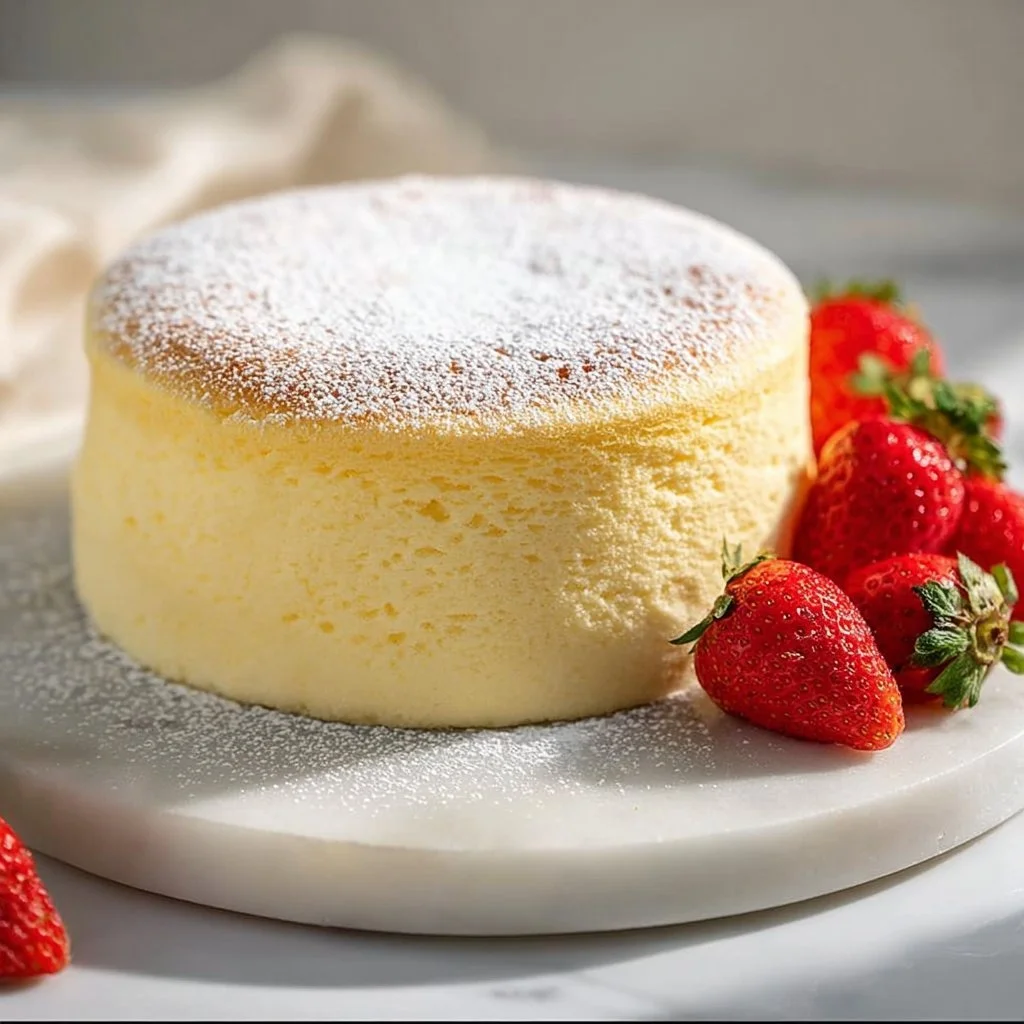
What truly sets Japanese Cotton Cheesecake apart is its unique texture. Unlike traditional cheesecakes, which can be rich and dense, this version is remarkably light and airy, resembling a soufflé more than a cake. As you take a bite, you will immediately notice how it almost melts in your mouth, thanks to the whipped egg whites that give it a cloud-like fluffiness.
Moreover, the balance of flavors in this cheesecake is immaculate. The slight tanginess of cream cheese counters the sweetness, creating a harmonious profile that beckons for another slice. Each ingredient contributes significantly to the final outcome; thus, every step you take in this recipe is geared toward achieving that coveted balance between creaminess and lightness.
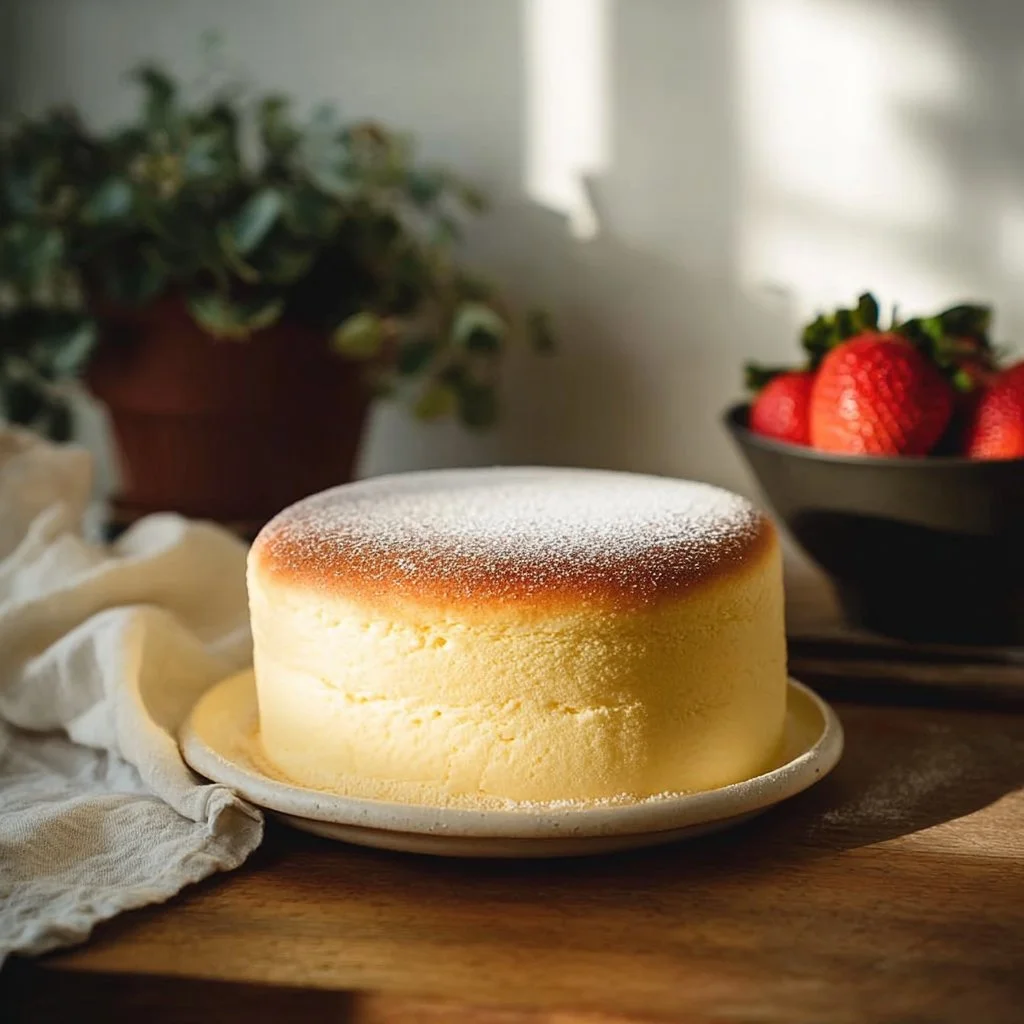
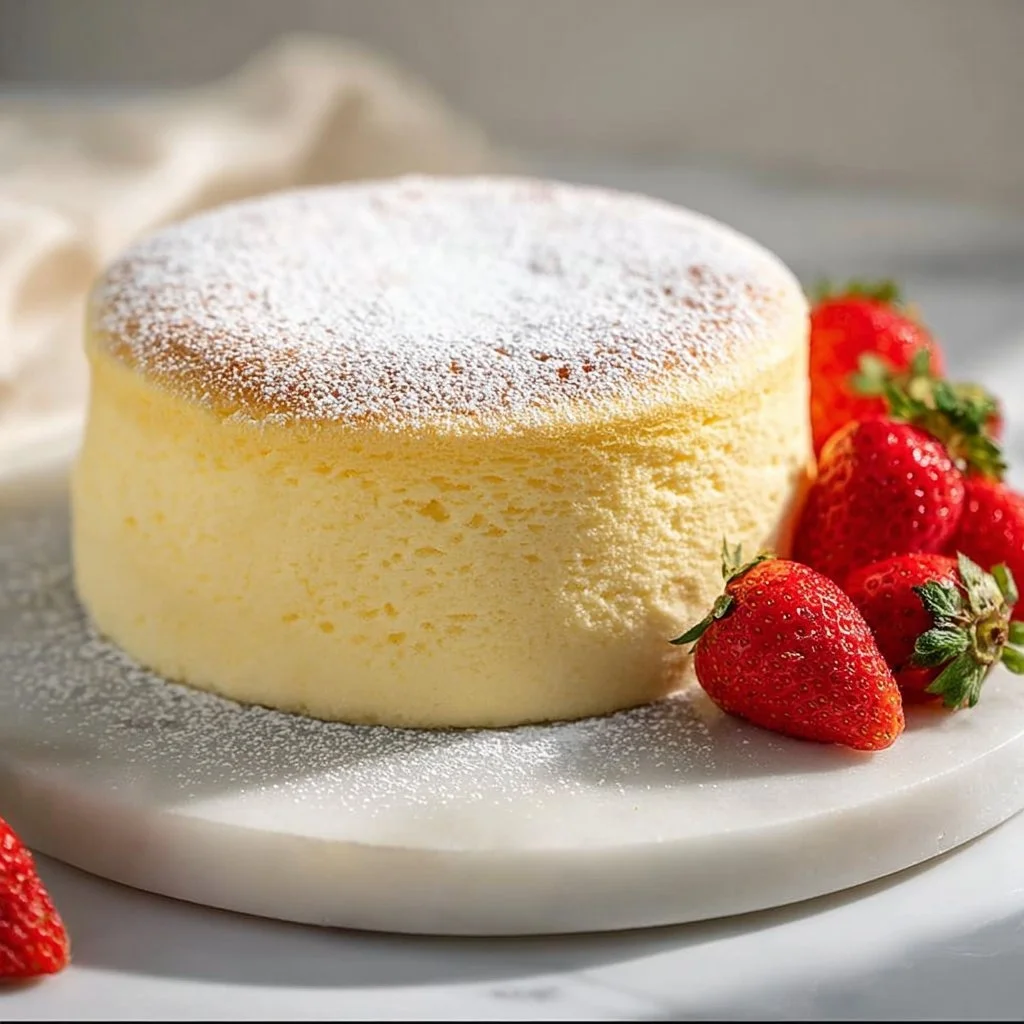
In addition to its delightful taste, there’s also a serene beauty to the presentation of Japanese Cotton Cheesecake. When baked, it achieves a subtle golden hue and cracks that create an inviting appearance. The dessert is often dusted with a light coat of powdered sugar, enhancing its aesthetic without overpowering the flavors.
Lastly, the baking method, particularly the use of a water bath, ensures the cheesecake is evenly cooked while retaining moisture. This technique prevents the outer layers from drying out and contributes to the soft, silky texture that is the hallmark of a perfect Japanese Cotton Cheesecake.
Ingredient Breakdown
To create your Japanese Cotton Cheesecake, you will need the following ingredients:
- Cream cheese
- Milk
- Granulated sugar
- Egg yolks
- Cake flour
- Salt
- Egg whites
- Cream of tartar
- Powdered sugar (for serving)
Each component of the Japanese Cotton Cheesecake plays a vital role in its texture and flavor. The cream cheese serves as the backbone of the cheesecake, providing a creamy base with its tangy richness. Pairing it with milk helps in achieving a smooth consistency essential for that light mousse-like texture.
Granulated sugar sweetens the mixture while also aiding in stabilizing the meringue-like egg whites, making them more voluminous. Egg yolks enrich the batter with a golden hue and depth of flavor, while cake flour gives the cheesecake its delicate structure. A pinch of salt rounds out the sweetness, elevating the overall taste.
The egg whites are crucial to the lightness of the cheesecake; they are whipped to create a fluffiness that seems to defy gravity. Cream of tartar stabilizes these egg whites, ensuring stiff peaks that fold seamlessly into the batter. Finally, a dusting of powdered sugar not only sweetens but also adds an element of beautiful presentation as you serve this delectable dessert.
| Ingredient | Purpose | Notes |
|——————–|—————————————————–|———————————————|
| Cream Cheese | Base flavor and creaminess | Use full-fat for best results |
| Milk | Thin the cream cheese for smooth consistency | Choose whole milk for added richness |
| Granulated Sugar | Sweetens and stabilizes meringue | Adjust to taste |
| Egg Yolks | Adds richness and color | Fresh eggs yield better flavor |
| Cake Flour | Provides structure without heaviness | Sift before use for lighter texture |
| Salt | Balances sweetness | A small pinch is sufficient |
| Egg Whites | Adds fluffiness | Should be room temperature for best volume |
| Cream of Tartar | Stabilizes egg whites | Optional but recommended |
| Powdered Sugar | For dusting before serving | Can be flavored with vanilla if desired |
Step-by-Step Preparation for Japanese Cotton Cheesecake
Step One
Begin by preheating your oven to 320°F (160°C). This initial step is crucial as it allows the oven to reach the desired cooking temperature before the cheesecake is placed in. While the oven warms up, take a non-stick 9-inch round cake pan and grease it lightly, then line the base and sides with parchment paper. Doing this not only ensures an easy release post-baking but also helps retain moisture during the cooking process.
Step Two
In a small saucepan over low heat, gently melt the cream cheese and milk together. Stir continuously until the mixture becomes completely smooth. This is an important step, as blending these ingredients on low heat helps prevent the cream cheese from separating or becoming lumpy. Once the mixture achieves a silky consistency, remove it from the heat and allow it to cool slightly. It’s essential to let it cool, ensuring it doesn’t cook the egg yolks in the next step.
Step Three
In a separate mixing bowl, combine the room-temperature egg yolks and granulated sugar. Whisk together vigorously until the mixture turns light and creamy. This process is vital for incorporating air into the yolks, which will contribute to the cheesecake’s rise and overall light texture. Once the yolks look pale and fluffy, incorporate the cooled cream cheese mixture and stir it until fully combined. Next, sift in the cake flour and salt, mixing until there are no lumps. Be cautious not to over-mix at this stage, as you want to maintain as much aeration as possible.
Step Four
Now, let’s focus on the egg whites. In a clean, dry bowl, begin beating the egg whites until frothy. Once they bubble up, add the cream of tartar, which will help stabilize the egg whites as you continue to beat. Gradually sprinkle in the remaining sugar, continuing until you achieve stiff peaks. This means that when you lift the whisk, the peaks will hold firm without collapsing. Now carefully fold in the whipped egg whites into the cake batter in three additions, using a gentle folding motion to keep as much air in the mixture as possible. When no white streaks remain, pour the batter into the prepared pan.
Full Cooking Directions
-
Preheat the oven to 320°F (160°C). Grease and line a 9-inch round cake pan with parchment paper.
-
In a saucepan, melt the cream cheese and milk together over low heat until smooth. Remove from heat and let cool slightly.
-
In a bowl, whisk together the egg yolks and sugar until light and creamy. Add the cream cheese mixture and mix well.
-
Sift in the cake flour and salt, mixing until combined.
-
In another bowl, beat the egg whites until frothy. Add cream of tartar and continue to beat until soft peaks form. Gradually add the remaining sugar and beat until stiff peaks form.
-
Fold the egg whites into the cheesecake batter in three additions until no white streaks remain.
-
Pour the batter into the prepared cake pan.
-
Create a water bath by placing the cake pan in a larger pan filled with water. Bake for 60 minutes or until set and golden.
-
Remove from oven and let cool in the pan before transferring to a wire rack.
-
Dust with powdered sugar before serving.
Pro Tips & Extra Guidance
When making Japanese Cotton Cheesecake, attention to detail will elevate your dish. Here are some pro tips and variations to consider:
-
Egg Quality: Using fresh, high-quality eggs can significantly influence the texture and flavor of your cheesecake. Organic or free-range eggs are generally recommended.
-
Room Temperature Ingredients: Always allow cream cheese and eggs to come to room temperature. This will help in achieving a smooth batter without lumps.
-
Doubling the Recipe: If you wish to make a larger cheesecake, simply double all the ingredients and bake it in a larger pan. Just ensure the cooking time is adjusted properly, as a thicker cake will likely require more time in the oven.
-
Flavor Variations: Experiment with different flavors by adding vanilla extract, lemon zest, or matcha powder in the batter for a unique twist.
-
Avoid Peaking: During baking, resist the urge to open the oven door too frequently as it may cause the cheesecake to collapse.
-
Cooling: Allow the cheesecake to cool gradually; avoid placing it directly in the fridge right after baking as this drastic temperature change can also lead to cracks.
-
Serving Suggestions: To enhance your serving experience, consider pairing the cheesecake with fruits like fresh strawberries or a berry compote, adding a bright contrast against the light cheesecake.
Best Practices for Storing & Reheating
To keep your Japanese Cotton Cheesecake fresh, store it in an airtight container in the refrigerator. It will remain delectable for about three to four days. Be sure to allow it to come to room temperature before serving again, as this will preserve the delightful texture you’ve worked so hard to create.
If you plan to keep the cheesecake longer, consider freezing it. Wrap the cheesecake tightly in plastic wrap, followed by aluminum foil. It can last in the freezer for up to three months. When ready to enjoy, simply transfer it to the refrigerator to thaw overnight.
For reheating, if desired, place individual slices in a microwave for about 10–15 seconds. This will slightly warm it and restore some of the soft texture lost in the refrigerator.
Common Questions Answered
What is Japanese Cotton Cheesecake?
Japanese Cotton Cheesecake is a light and airy version of cheesecake characterized by its soufflé-like texture. It combines cream cheese with whipped egg whites for added fluffiness.
Why does my cheesecake crack?
Cracks can occur due to sudden temperature changes. Always ensure your oven maintains a consistent temperature, and allow your cheesecake to cool gradually to avoid any shock.
How do I know when my cheesecake is done?
The cheesecake is done when the edges are set, but the center still has a slight jiggle. It will continue cooking even after being removed from the oven due to residual heat.
Can I make this gluten-free?
Absolutely! Substitute the cake flour with a gluten-free flour blend. Make sure to check the specific blend for any additional adjustments needed.
How can I enhance the flavor profile?
Adding flavorings like vanilla extract, citrus zest, or matcha powder to the batter will give your cheesecake an interesting twist without compromising its lightness.
What can I top my cheesecake with?
While it is divine on its own, consider drizzling with caramel sauce, fresh fruits, or a dollop of whipped cream for added flavor and visual appeal.
Can I use low-fat cream cheese?
While low-fat cream cheese can work, it’s best to use regular cream cheese to maintain the rich, creamy texture that makes this cheesecake special.
Final Thoughts + Call to Action
Japanese Cotton Cheesecake is not just a dessert; it’s an experience that combines texture, flavor, and aesthetics into a delightful treat that everyone can enjoy. With the right techniques and a touch of love, you can create this heavenly cheesecake at home. So gather your ingredients, roll up your sleeves, and get ready to impress your family and friends with your very own Japanese Cotton Cheesecake. Embrace the art of baking, and let this delightful dessert work its magic in your kitchen today!
Japanese Cotton Cheesecake
Ingredients
Method
- Preheat the oven to 320°F (160°C). Grease and line a 9-inch round cake pan with parchment paper.
- In a saucepan, melt the cream cheese and milk together over low heat until smooth. Remove from heat and let cool slightly.
- In a bowl, whisk together the egg yolks and sugar until light and creamy. Add the cream cheese mixture and mix well.
- Sift in the cake flour and salt, mixing until combined.
- In another bowl, beat the egg whites until frothy. Add cream of tartar and continue to beat until soft peaks form.
- Gradually add the remaining sugar and beat until stiff peaks form.
- Fold the egg whites into the cheesecake batter in three additions until no white streaks remain.
- Pour the batter into the prepared cake pan.
- Create a water bath by placing the cake pan in a larger pan filled with water. Bake for 60 minutes or until set and golden.
- Remove from oven and let cool in the pan before transferring to a wire rack.
- Dust with powdered sugar before serving.