Baked Salmon
Baked Salmon
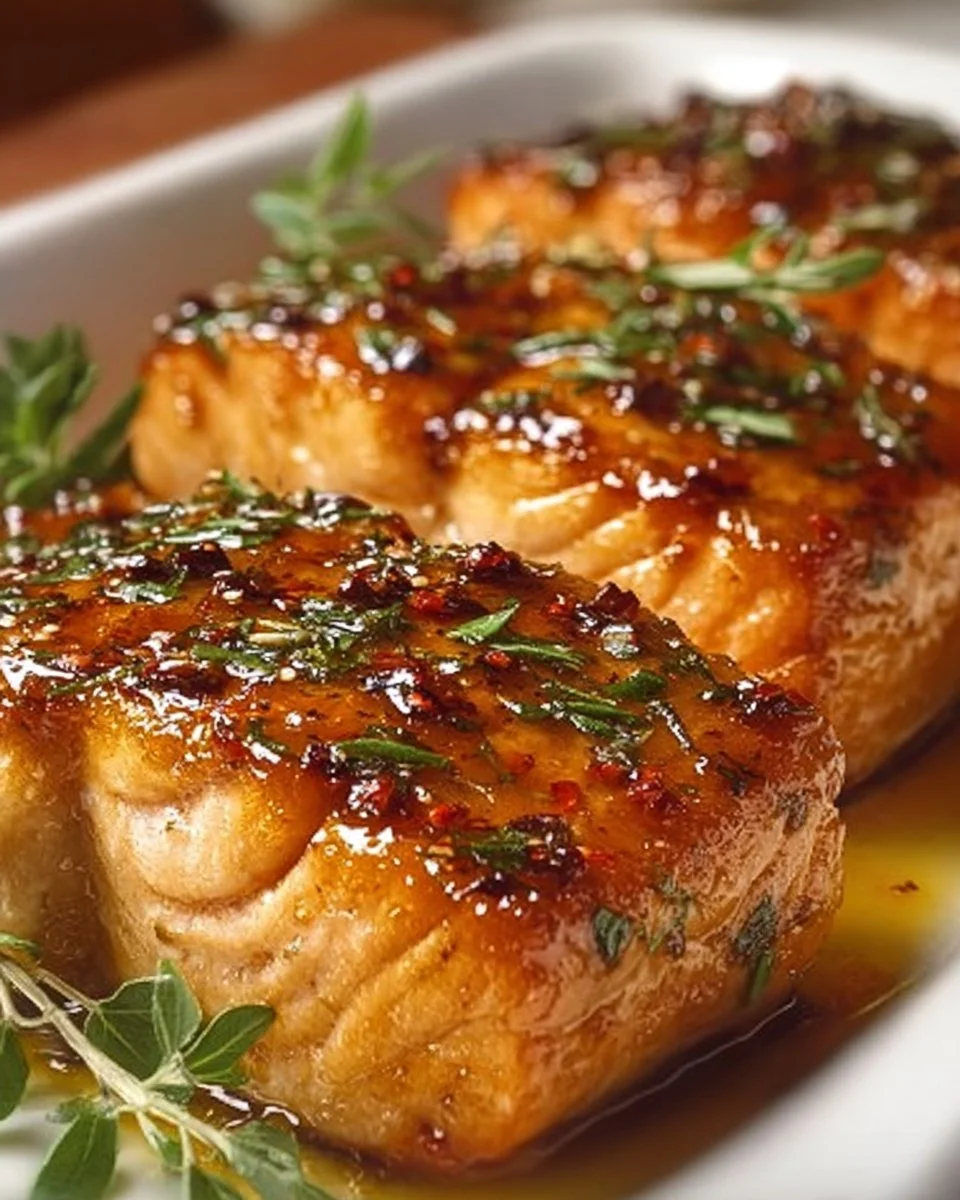
Baked salmon represents an exquisite meal choice that balances ease of preparation with an impressive presentation. Rich in omega-3 fatty acids, salmon is well-known not only for its delightful taste but also its extensive health benefits. Whether you’re hosting a dinner party, preparing a family meal, or simply indulging in a personal favorite, baked salmon is sure to satisfy. This dish sets the stage for a delightful culinary experience, inviting you to embark on an unforgettable flavor journey.
What Makes This Recipe Stand Out
Baked salmon stands out for numerous reasons, combining health consciousness, sensory satisfaction, and versatility. First and foremost, the nutritional profile of salmon is second to none; it’s packed with high-quality protein, essential vitamins, and minerals that promote overall health. The versatility of baked salmon allows it to seamlessly integrate into nearly any cuisine, meaning it can be dressed up with a range of flavors or kept simple and elegant.
Moreover, the cooking method itself—baking—enhances the fish’s natural flavors while preserving moisture, leading to flaky and tender results. Unlike frying, which can mask the delicate nuances of salmon, baking allows the fish’s distinct taste to shine. Additionally, this recipe calls for easily accessible ingredients that not only elevate the dish but also resonate with most pantry staples.
Emotionally, preparing baked salmon creates an atmosphere of care and thoughtfulness. Serving such a well-balanced and visually stunning dish communicates a message of love and hospitality. Lastly, the simplicity of the recipe means that even novice cooks can achieve exceptional results, instilling confidence in the kitchen.
Ingredient Breakdown
- Salmon fillets
- Olive oil
- Minced garlic
- Salt
- Black pepper
- Lemon
- Fresh herbs (optional)
The ingredients for baked salmon come together effortlessly to create a meal that is both nutritious and visually appealing. Starting with salmon fillets, the primary star of the dish, each piece of fish offers a rich and oily texture that transforms during baking, resulting in a melt-in-your-mouth experience. Olive oil plays a crucial role as it acts as a cooking medium, helping to keep the salmon moist while adding a subtle fruity flavor that complements the fish beautifully.
Next, minced garlic contributes a savory depth that enhances the overall flavor profile without overshadowing the salmon. A sprinkling of salt and black pepper rounds off the seasoning, enhancing the natural taste and balancing the richness of the fish. A few slices of fresh lemon act as miniature flavor boosters, injecting a refreshing citrus note that cuts through the oiliness most associated with salmon. Fresh herbs, such as dill or parsley, can optionally be used to elevate the dish with additional color and taste.
| Ingredient | Role in the Dish |
|——————|——————————————-|
| Salmon fillets | Primary protein source, rich in flavor |
| Olive oil | Keeps salmon moist and adds richness |
| Minced garlic | Provides aromatic depth |
| Salt | Enhances flavors |
| Black pepper | Adds mild spice and complexity |
| Lemon | Introduces brightness and acidity |
| Fresh herbs | Offers aesthetic appeal and additional taste|
Step-by-Step Preparation for Baked Salmon
Step One
To begin your baked salmon masterpiece, preheat your oven to 400°F (200°C). This is a vital step that ensures even cooking. When the oven reaches this optimal temperature, you will create a perfect environment for the salmon to cook through while maintaining its juiciness. While the oven heats, take a moment to line a baking sheet with parchment paper—a simple trick that prevents the salmon from sticking and makes for easy cleanup.
Step Two
Once the oven is preheated and your baking sheet is ready, place the salmon fillets on it. Make sure to give each fillet space; you want the hot air to circulate around them for even cooking. Next, drizzle a generous amount of olive oil over each piece. This oil not only enriches the flavor but also promotes a delicious golden crust on the salmon’s surface. Follow this by sprinkling a layer of minced garlic, ensuring that each fillet is adequately covered. The garlic will infuse the salmon with its robust flavor as it bakes, creating an aromatic experience that fills your kitchen.
Step Three
Now it’s time to season the salmon. Sprinkle salt and black pepper over the fillets, being mindful to adjust the amounts to your taste. The salt enhances the fish’s natural flavors while the pepper introduces a subtle heat. For a finishing touch, lay thin slices of lemon over each fillet, which brings a refreshing brightness and aids in tenderizing the fish. The lemon also contributes moisture as it bakes, enriching the dish with a complex citrus flavor that every bite will reveal.
Step Four
Having prepared your salmon for its culinary journey, place the baking sheet in the preheated oven. Bake the salmon for approximately 12-15 minutes, depending on the thickness of the fillets. As it cooks, keep an eye on it; you want the salmon to turn opaque and flake easily with a fork. Once the baking time concludes, carefully remove the tray from the oven. Let the salmon rest for a few minutes before garnishing with fresh herbs. This brief resting period allows the juices to redistribute, ensuring every bite is brimming with flavor. Serve your beautifully baked salmon with a side of roasted vegetables or fluffy rice to create a complete meal experience.
Full Cooking Directions
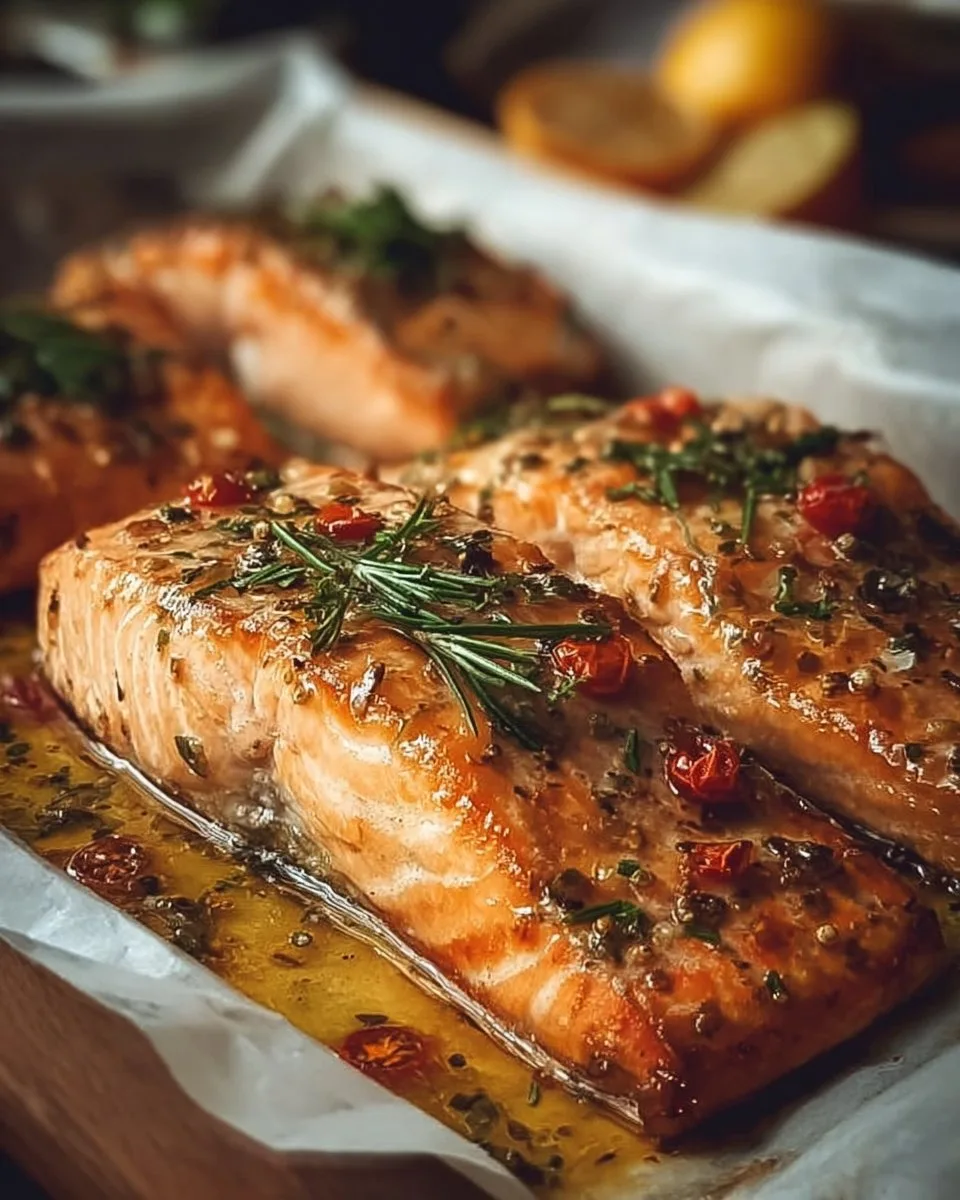
To start, preheat your oven to 400°F (200°C). Lining a baking sheet with parchment paper is the next step; this preparation will help maintain the quality and make for hassle-free cleanup. Once your sheet is ready, it’s time to place the salmon fillets on it, ensuring they are adequately spaced. Drizzle a luscious amount of olive oil over the fish, which will not only infuse it with flavor but also create a delightful crispy exterior. Generously sprinkle minced garlic across the fillets along with a dash of both salt and pepper, creating a robust seasoning base.
Now, lay thin slices of fresh lemon on top of each piece; this addition brightly flavors the salmon while also assisting in keeping it moist during the cooking process. Bake the salmon in your preheated oven for around 12-15 minutes. You’ll know the salmon is ready when it appears opaque and flakes apart effortlessly with a fork. Once baked, remove it from the oven and allow it to rest for a few moments. This rest time enhances flavor retention and juiciness. For an exquisite finishing touch, garnish your baked salmon with fresh herbs before serving. This dish pairs beautifully with side dishes like roasted vegetables or rice, rounding out a truly satisfying meal.
Pro Tips & Extra Guidance
To make the most out of your baked salmon, consider these pro tips for varied executions:
-
Choosing Your Salmon: Fresh or frozen wild salmon usually yields the most flavor while farmed varieties tend to be milder. Explore different types such as King Salmon for a richer taste or Coho Salmon for something leaner.
-
Flavor Variations: Experimenting with flavors can elevate your dish. Add mustard or honey for sweetness, or explore Asian flavors with soy sauce and ginger.
-
Check Doneness: A general rule of thumb is to cook salmon for 4-6 minutes per half-inch of thickness. A digital meat thermometer should read 145°F in the thickest part.
-
Fresh Herbs vs. Dried: Fresh herbs provide fresher flavors, but if dried herbs are what you have on hand, do not shy away. Just remember that dried herbs tend to be more potent than fresh—use approximately one-third of the amount.
-
Serving Suggestions: Accompany baked salmon with various sides like quinoa, garlic mashed potatoes, or a vibrant salad. The side dish can balance the richness and bring additional textures to the meal.
Best Practices for Storing & Reheating
Maintaining the quality of your baked salmon after cooking is straightforward with a few simple guidelines. Firstly, if you have leftovers, store them in an airtight container in the refrigerator. Properly stored, baked salmon will last for up to three days without sacrificing flavor or texture.
When it comes to reheating, you have options. For best results, use your oven. Preheat it to 350°F (175°C), cover the salmon with foil to prevent drying out, and heat for 10-15 minutes until warmed through. Alternatively, a microwave offers a quicker solution but can lead to a rubbery texture if overheated. If using the microwave, place the salmon on a microwave-safe plate, cover it with a damp paper towel, and heat in short intervals, checking frequently.
Common Questions Answered
What types of salmon are best for baking?
When choosing salmon for baking, wild-caught salmon varieties such as Sockeye or King generally provide the best flavor and texture. Farmed salmon can also be a good option, but make sure it is sustainably sourced.
How do I prevent my salmon from drying out?
To prevent salmon from drying out during baking, using a drizzle of olive oil and baking at the correct temperature for the right duration is essential. Additionally, covering the salmon with foil during the first part of baking can help retain moisture.
Can I use frozen salmon fillets?
Yes! Frozen salmon fillets can be used, but it’s best to thaw them in the refrigerator overnight before cooking for even results. This will help the fish cook uniformly.
What’s the best way to serve baked salmon?
Baked salmon pairs well with a variety of side dishes such as roasted vegetables, quinoa, or a fresh salad. A lemon wedge for squeezing over the top also enhances the overall presentation and flavor.
How can I tell when my salmon is cooked?
Your salmon is cooked when it turns opaque and flakes easily when tested with a fork. For perfect results, a meat thermometer should read 145°F in the thickest part of the fish.
Is it okay to reheat baked salmon?
Absolutely! Just make sure to store it properly in an airtight container. When reheating, be mindful of the time and temperature to prevent drying out.
Can I make baked salmon in advance?
Baked salmon can be prepared a day in advance. Simply bake as instructed, cool completely, and store in the refrigerator. It will be excellent when reheated properly.
Final Thoughts + Call to Action
Baked salmon not only satisfies culinary cravings but also nurtures health and wellness. By preparing this dish, you embrace a cooking adventure that is both straightforward and rewarding. Explore the flavors, enjoy the process, and invite others to join you at the table. Whether you create a simple family meal or a gourmet experience for guests, baked salmon is a dish worth perfecting. So fire up your oven and indulge in this remarkable recipe that promises to be a cherished favorite for years to come.

Baked Salmon
Ingredients
Method
- Preheat your oven to 400°F (200°C) and line a baking sheet with parchment paper.
- Place the salmon fillets on the prepared baking sheet with space between them.
- Drizzle olive oil over each fillet and sprinkle minced garlic on top.
- Season the fillets with salt and black pepper, then lay lemon slices on top.
- Bake the salmon in the preheated oven for approximately 12-15 minutes until opaque and flaking easily with a fork.
- Remove from the oven and let it rest for a few minutes before garnishing with fresh herbs and serving.